AdversaryGraph public intelligence page
This page is part of Threat Matrix, the public browser workspace for the main AdversaryGraph platform. Use it for ATT&CK pivots, actor and technique context, similarity leads, detection coverage review, and analyst-ready investigation paths.
Validation disclaimer: TTP overlap, actor similarity, generated summaries, and coverage findings are investigation leads, not attribution proof or operational validation without analyst review.
Main AdversaryGraph project Documentation Malware Analysis GitHub
Play
Aliases: Play
[Play](https://attack.mitre.org/groups/G1040) is a ransomware group that has been active since at least 2022 deploying [Playcrypt](https://attack.mitre.org/software/S1162) ransomware against the business, government, critical infrastructure, healthcare, and media sectors in North America, South America, and Europe. [Play](https://attack.mitre.org/groups/G1040) actors employ a double-extortion model, encrypting systems after exfiltrating data, and are presumed by security researchers to operate as a closed group.(Citation: CISA Play Ransomware Advisory December 2023)(Citation: Trend Micro Ransomware Spotlight Play July 2023)
Open interactive actor investigation
ATT&CK techniques
Correlated CTI and IR reports
1200km CTI repository · explicit report mentionAPT39 (Chafer / Remix Kitten)
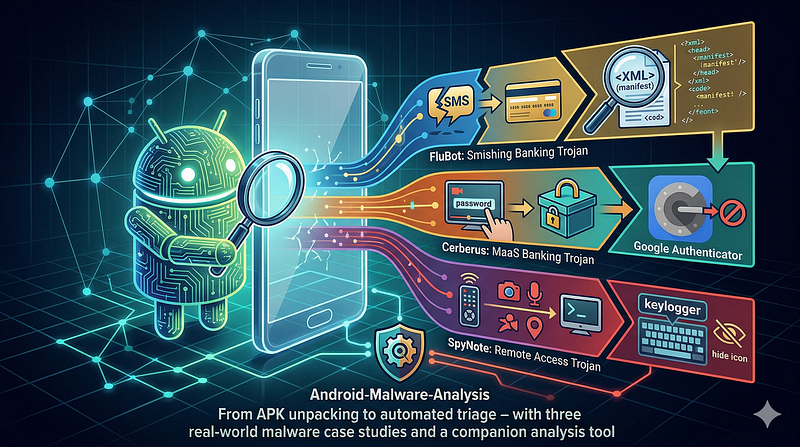
Israel Threat Actors CTI · explicit report mentionAndroid Malware Analysis A Practical Guide for Security Analysts
1200km Medium · authored report mentionInformation Security Awareness Principles and Best Practices for Employees

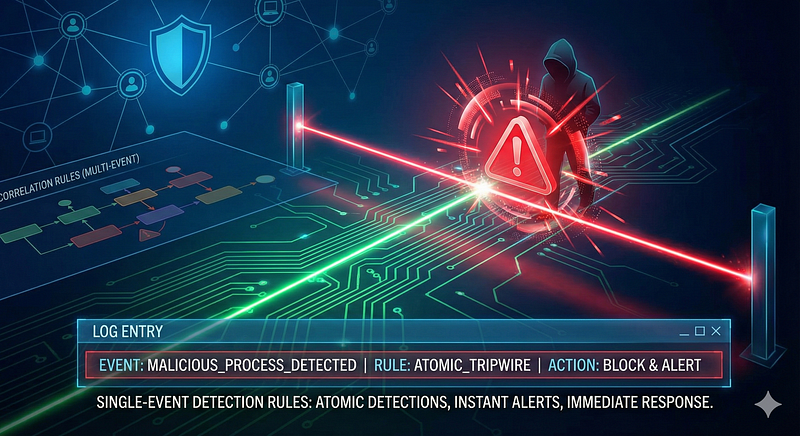
1200km Medium · authored report mentionSingle Event Detection Rules in Cybersecurity
1200km Medium · authored report mentionThe 20x Employee A Strategic Framework for Unlocking Hyper Productivity with Artificial
1200km Medium · authored report mention
Continue the investigation
Attack tools, simulations and detection rules
Follow explicit source relationships into the reference modules. Linked procedures and detectors are not claims of live validation or actor attribution.
- Mimikatz tool reference — Explicit actor uses software relationship in pinned ATT&CK
- PsExec tool reference — Explicit actor uses software relationship in pinned ATT&CK
- Cobalt Strike tool reference — Explicit actor uses software relationship in pinned ATT&CK
- Nltest tool reference — Explicit actor uses software relationship in pinned ATT&CK
- Empire tool reference — Explicit actor uses software relationship in pinned ATT&CK
- BloodHound tool reference — Explicit actor uses software relationship in pinned ATT&CK
- AdFind tool reference — Explicit actor uses software relationship in pinned ATT&CK
- Wevtutil tool reference — Explicit actor uses software relationship in pinned ATT&CK
- T1003.001 LSASS Memory simulation — Exact active technique ID
- T1003.001 detection rules — Exact active technique ID; not actor-specific detector coverage
- T1016 System Network Configuration Discovery simulation — Exact active technique ID
- T1016 detection rules — Exact active technique ID; not actor-specific detector coverage
- T1018 Remote System Discovery simulation — Exact active technique ID
- T1018 detection rules — Exact active technique ID; not actor-specific detector coverage
- T1021.002 SMB/Windows Admin Shares simulation — Exact active technique ID
- T1021.002 detection rules — Exact active technique ID; not actor-specific detector coverage
- T1027.010 Command Obfuscation simulation — Exact active technique ID
- T1027.010 detection rules — Exact active technique ID; not actor-specific detector coverage
- T1030 Data Transfer Size Limits simulation — Exact active technique ID
- T1030 detection rules — Exact active technique ID; not actor-specific detector coverage
- T1048 Exfiltration Over Alternative Protocol simulation — Exact active technique ID
- T1048 detection rules — Exact active technique ID; not actor-specific detector coverage
- T1057 Process Discovery simulation — Exact active technique ID
- T1057 detection rules — Exact active technique ID; not actor-specific detector coverage
- T1059.001 PowerShell simulation — Exact active technique ID
- T1059.001 detection rules — Exact active technique ID; not actor-specific detector coverage
- T1059.003 Windows Command Shell simulation — Exact active technique ID
- T1059.003 detection rules — Exact active technique ID; not actor-specific detector coverage
- T1070.004 File Deletion simulation — Exact active technique ID
- T1070.004 detection rules — Exact active technique ID; not actor-specific detector coverage
- T1078 Valid Accounts simulation — Exact active technique ID
- T1078 detection rules — Exact active technique ID; not actor-specific detector coverage
- T1078.002 Domain Accounts simulation — Exact active technique ID
- T1078.002 detection rules — Exact active technique ID; not actor-specific detector coverage
- T1078.003 Local Accounts simulation — Exact active technique ID
- T1078.003 detection rules — Exact active technique ID; not actor-specific detector coverage
- T1082 System Information Discovery simulation — Exact active technique ID
- T1082 detection rules — Exact active technique ID; not actor-specific detector coverage
- T1083 File and Directory Discovery simulation — Exact active technique ID
- T1083 detection rules — Exact active technique ID; not actor-specific detector coverage
- T1105 Ingress Tool Transfer simulation — Exact active technique ID
- T1105 detection rules — Exact active technique ID; not actor-specific detector coverage
- T1133 External Remote Services simulation — Exact active technique ID
- T1133 detection rules — Exact active technique ID; not actor-specific detector coverage
- T1190 Exploit Public-Facing Application simulation — Exact active technique ID
- T1190 detection rules — Exact active technique ID; not actor-specific detector coverage
- T1518.001 Security Software Discovery simulation — Exact active technique ID
- T1518.001 detection rules — Exact active technique ID; not actor-specific detector coverage
- T1560.001 Archive via Utility simulation — Exact active technique ID
- T1560.001 detection rules — Exact active technique ID; not actor-specific detector coverage
- T1587.001 Malware simulation — Exact active technique ID
- T1587.001 detection rules — Exact active technique ID; not actor-specific detector coverage
- T1588.002 Tool simulation — Exact active technique ID
- T1588.002 detection rules — Exact active technique ID; not actor-specific detector coverage
- T1657 Financial Theft simulation — Exact active technique ID
- T1657 detection rules — Exact active technique ID; not actor-specific detector coverage
- T1685 Disable or Modify Tools simulation — Exact active technique ID
- T1685 detection rules — Exact active technique ID; not actor-specific detector coverage
- T1685.005 Clear Windows Event Logs simulation — Exact active technique ID
- T1685.005 detection rules — Exact active technique ID; not actor-specific detector coverage
Cyber Knowledge routes
These contextual routes explain behaviors associated with this ATT&CK group record. They support learning and investigation planning; they do not add attribution evidence.
Cyber Threat Intelligence (CTI) · explicit-idModule 3 — Core Frameworks Models
Cyber Threat Intelligence (CTI) · explicit-idModule 8 — Operationalizing CTI (CTI → Detection)
Cyber Threat Intelligence (CTI) · explicit-idModule 4 — Detection engineering and detection as code
Blue Team & Defensive Security · explicit-idExploitability validation and laboratory exploit engineering
Vulnerability Research & Exploit Development · explicit-idModule 5 — Threat hunting
Blue Team & Defensive Security · explicit-nameWindows endpoint and identity forensics
Digital Forensics & Incident Response (DFIR) · explicit-nameModule 2 — The Intelligence Cycle Intelligence Types
Cyber Threat Intelligence (CTI) · explicit-nameModule 4 — Collection Sources
Cyber Threat Intelligence (CTI) · explicit-nameModule 5 — Analysis Techniques Tradecraft
Cyber Threat Intelligence (CTI) · explicit-nameModule 6 — The Threat Actor Landscape
Cyber Threat Intelligence (CTI) · explicit-nameModule 9 — Tools of the Trade
Cyber Threat Intelligence (CTI) · explicit-name