- AN1040 · Analytic 1040 — Execution of file enumeration commands (e.g., 'dir', 'tree') from non-standard processes or unusual user contexts, followed by recursive directory traversal or access to sensitive locations.
- AN1041 · Analytic 1041 — Use of file enumeration commands (e.g., 'ls', 'find', 'locate') executed by suspicious users or scripts accessing broad file hierarchies or restricted directories.
- AN1042 · Analytic 1042 — Execution of file or directory discovery commands (e.g., 'ls', 'find') from terminal or script-based tooling, especially outside normal user workflows.
- AN1043 · Analytic 1043 — Execution of esxcli commands to enumerate datastore, configuration files, or directory structures by unauthorized or remote users.
- AN1044 · Analytic 1044 — Execution of file discovery commands (e.g., 'dir', 'show flash', 'nvram:') from CLI interfaces, especially by unauthorized users or from abnormal source IPs.
AdversaryGraph public intelligence page
This page is part of Threat Matrix, the public browser workspace for the main AdversaryGraph platform. Use it for ATT&CK pivots, actor and technique context, similarity leads, detection coverage review, and analyst-ready investigation paths.
Validation disclaimer: TTP overlap, actor similarity, generated summaries, and coverage findings are investigation leads, not attribution proof or operational validation without analyst review.
Main AdversaryGraph project Documentation Malware Analysis GitHub
File and Directory Discovery
Adversaries may enumerate files and directories or may search in specific locations of a host or network share for certain information within a file system. Adversaries may use the information from [File and Directory Discovery](https://attack.mitre.org/techniques/T1083) during automated discovery to shape follow-on behaviors, including whether or not the adversary fully infects the target and/or attempts specific actions. Many command shell utilities can be used to obtain this information. Examples include <code>dir</code>, <code>tree</code>, <code>ls</code>, <code>find</code>, and <code>locate</code>.(Citation: Windows Commands JPCERT) Custom tools may also be used to gather file and directory information and interact with the [Native API](https://attack.mitre.org/techniques/T1106). Adversaries may also leverage a [Network Device CLI](https://attack.mitre.org/techniques/T1059/008) on network devices to gather file and directory information (e.g. <code>dir</code>, <code>show flash</code>, and/or <code>nvram</code>).(Citation: US-CERT-TA18-106A) Some files and directories may require elevated or specific user permissions to access.
Open detection, hunting, mitigation, and evidence workspace
Detection logic
System and network discovery techniques normally occur throughout an operation as an adversary learns the environment. Data and events should not be viewed in isolation, but as part of a chain of behavior that could lead to other activities, such as Collection and Exfiltration, based on the information obtained. Monitor processes and command-line arguments for actions that could be taken to gather system and network information. Remote access tools with built-in features may interact directly with the Windows API to gather information. Information may also be acquired through Windows system management tools such as Windows Management Instrumentation and PowerShell. Further, Network Device CLI commands may also be used to gather file and directory information with built-in features native to the network device platform. Monitor CLI activity for unexpected or unauthorized use of commands being run by non-standard users from non-standard locations.
Observed actors
Ke3chang
G0004APT28
G0007Turla
G0010Darkhotel
G0012admin@338
G0018APT3
G0022APT18
G0026Lotus Blossom
G0030Lazarus Group
G0032Sandworm Team
G0034Dragonfly
G0035Patchwork
G0040Winnti Group
G0044menuPass
G0045Gamaredon Group
G0047APT32
G0050Sowbug
G0054Magic Hound
G0059BRONZE BUTLER
G0060MuddyWater
G0069Dark Caracal
G0070Leafminer
G0077Tropic Trooper
G0081APT38
G0082APT39
G0087Kimsuky
G0094APT41
G0096Inception
G0100Chimera
G0114Fox Kitten
G0117Sidewinder
G0121Windigo
G0124HAFNIUM
G0125Mustang Panda
G0129TeamTNT
G0139Confucius
G0142Aoqin Dragon
G1007LuminousMoth
G1014Scattered Spider
G1015FIN13
G1016Volt Typhoon
G1017ToddyCat
G1022APT5
G1023Winter Vivern
G1035RedCurl
G1039Play
G1040Velvet Ant
G1047UNC3886
G1048Medusa Group
G1051Contagious Interview
G1052MirrorFace
G1054ShinyHunters
G1057
G0004APT28
G0007Turla
G0010Darkhotel
G0012admin@338
G0018APT3
G0022APT18
G0026Lotus Blossom
G0030Lazarus Group
G0032Sandworm Team
G0034Dragonfly
G0035Patchwork
G0040Winnti Group
G0044menuPass
G0045Gamaredon Group
G0047APT32
G0050Sowbug
G0054Magic Hound
G0059BRONZE BUTLER
G0060MuddyWater
G0069Dark Caracal
G0070Leafminer
G0077Tropic Trooper
G0081APT38
G0082APT39
G0087Kimsuky
G0094APT41
G0096Inception
G0100Chimera
G0114Fox Kitten
G0117Sidewinder
G0121Windigo
G0124HAFNIUM
G0125Mustang Panda
G0129TeamTNT
G0139Confucius
G0142Aoqin Dragon
G1007LuminousMoth
G1014Scattered Spider
G1015FIN13
G1016Volt Typhoon
G1017ToddyCat
G1022APT5
G1023Winter Vivern
G1035RedCurl
G1039Play
G1040Velvet Ant
G1047UNC3886
G1048Medusa Group
G1051Contagious Interview
G1052MirrorFace
G1054ShinyHunters
G1057
Correlated CTI and IR reports
APT39 (Chafer / Remix Kitten)
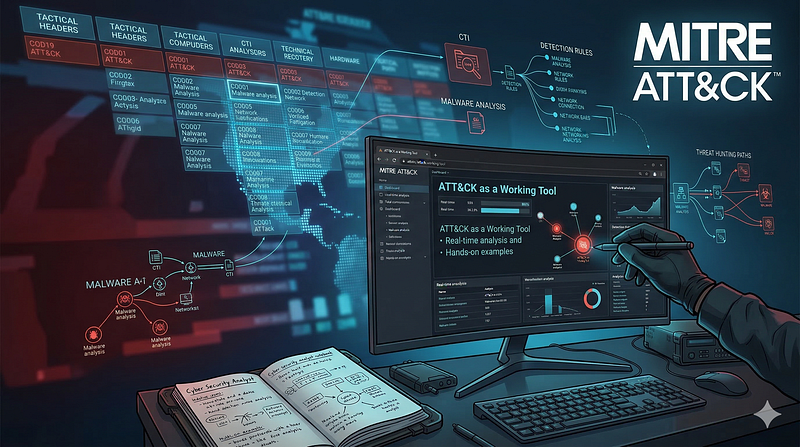
Israel Threat Actors CTI · explicit report mentionATT&CK as a Working Tool: Theory and Hands-On Practical Usage
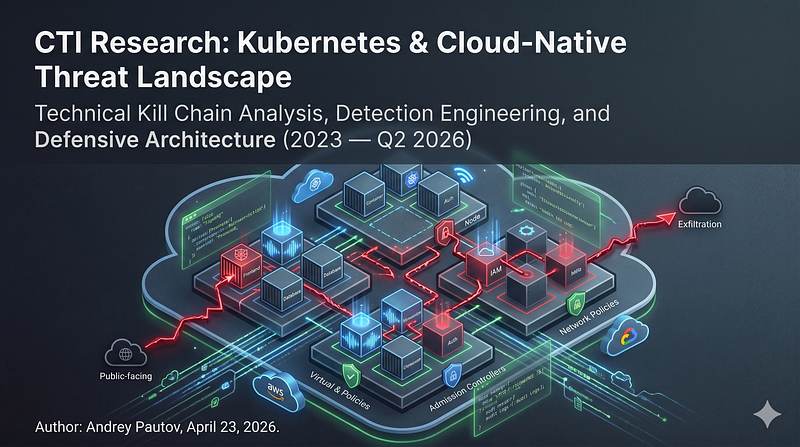
1200km CTI repository · explicit report mentionCTI Research: Kubernetes & Cloud-Native Threat Landscape
1200km CTI repository · explicit report mentionATT CK as a Working Tool Theory and Hands On Practical Usage
1200km Medium · authored report mentionCTI Research Kubernetes Cloud Native Threat Landscape
1200km Medium · authored report mention
Israel Threat Actors CTI · explicit report mentionATT&CK as a Working Tool: Theory and Hands-On Practical Usage
1200km CTI repository · explicit report mentionCTI Research: Kubernetes & Cloud-Native Threat Landscape
1200km CTI repository · explicit report mentionATT CK as a Working Tool Theory and Hands On Practical Usage
1200km Medium · authored report mentionCTI Research Kubernetes Cloud Native Threat Landscape
1200km Medium · authored report mention
Cyber Knowledge context
Use these routes to move from the ATT&CK behavior into explanation, implementation, evidence handling, validation, and defensive operations. Relevance is generated from explicit identifiers/names and governed topic mappings; it is not attribution evidence.
Internet exposure, service indexes, and infrastructure search
OSINT & Reconnaissance · Tactic learning route · 24/100Module 5 — Cloud, containers, and Kubernetes
Red Team & Offensive Security · Tactic learning route · 24/100Data classification, storage, cryptography, keys, backup, and deletion
Cloud Security · Tactic learning route · 24/100
OSINT & Reconnaissance · Tactic learning route · 24/100Module 5 — Cloud, containers, and Kubernetes
Red Team & Offensive Security · Tactic learning route · 24/100Data classification, storage, cryptography, keys, backup, and deletion
Cloud Security · Tactic learning route · 24/100
MITRE mitigations
No ATT&CK mitigation relationship is published for this technique. Apply risk-based controls and verify scope.
MITRE detection strategies and analytics
Continue the investigation
Attack tools, simulations and detection rules
Follow explicit source relationships into the reference modules. Linked procedures and detectors are not claims of live validation or actor attribution.
- T1083 File and Directory Discovery simulation — Exact active technique ID
- T1083 detection rules — Exact active technique ID; not actor-specific detector coverage