LSASS Memory
Adversaries may attempt to access credential material stored in the process memory of the Local Security Authority Subsystem Service (LSASS). After a user logs on, the system generates and stores a variety of credential materials in LSASS process memory. These credential materials can be harvested by an administrative user or SYSTEM and used to conduct Lateral Movement using Use Alternate Authentication Material. As well as in-memory techniques, the LSASS process memory can be dumped from the target host and analyzed on a local system. For example, on the target host use procdump: * procdump -ma lsass.exe lsass_dump Locally, mimikatz can be run using: * sekurlsa::Minidump lsassdump.dmp * sekurlsa::logonPasswords Built-in Windows tools such as `comsvcs.dll` can also be used: * rundll32.exe C:\Windows\System32\comsvcs.dll MiniDump PID lsass.dmp full Similar to Image File Execution Options Injection, the silent process exit mechanism can be abused to create a memory dump of `lsass.exe` through Windows Error Reporting (`WerFault.exe`). Windows Security Support Provider (SSP) DLLs are loaded into LSASS process at system start. Once loaded into the LSA, SSP DLLs have access to encrypted and plaintext passwords that are stored in Windows, such as any logged-on user's Domain password or smart card PINs. The SSP configuration is stored in two Registry keys: HKLM\SYSTEM\CurrentControlSet\Control\Lsa\Security Packages and HKLM\SYSTEM\CurrentControlSet\Control\Lsa\OSConfig\Security Packages. An adversary may modify these Registry keys to add new SSPs, which will be loaded the next time the system boots, or when the AddSecurityPackage Windows API function is called. The following SSPs can be used to access credentials: * Msv: Interactive logons, batch logons, and service logons are done through the MSV authentication package. * Wdigest: The Digest Authentication protocol is designed for use with Hypertext Transfer Protocol (HTTP) and Simple Authentication Security Layer (SASL) exchanges. * Kerberos: Preferred for mutual client-server domain authentication in Windows 2000 and later. * CredSSP: Provides SSO and Network Level Authentication for Remote Desktop Services.
Open detection, hunting, mitigation, and evidence workspace
Detection logic
Monitor for unexpected processes interacting with LSASS.exe. Common credential dumpers such as Mimikatz access LSASS.exe by opening the process, locating the LSA secrets key, and decrypting the sections in memory where credential details are stored. Credential dumpers may also use methods for reflective Process Injection to reduce potential indicators of malicious activity. On Windows 8.1 and Windows Server 2012 R2, monitor Windows Logs for LSASS.exe creation to verify that LSASS started as a protected process. Monitor processes and command-line arguments for program execution that may be indicative of credential dumping. Remote access tools may contain built-in features or incorporate existing tools like Mimikatz. PowerShell scripts also exist that contain credential dumping functionality, such as PowerSploit's Invoke-Mimikatz module, which may require additional logging features to be configured in the operating system to collect necessary information for analysis.
Observed actors
G0119GALLIUM
G0093APT3
G0022Kimsuky
G0094Volt Typhoon
G1017APT41
G0096APT32
G0050HAFNIUM
G0125MuddyWater
G0069FIN6
G0037Leafminer
G0077Sandworm Team
G0034APT39
G0087OilRig
G0049Aquatic Panda
G0143Ke3chang
G0004APT1
G0006Leviathan
G0065Blue Mockingbird
G0108RedCurl
G1039Cleaver
G0003BRONZE BUTLER
G0060TEMP.Veles
G0088Ember Bear
G1003Whitefly
G0107Agrius
G1030APT28
G0007APT5
G1023Fox Kitten
G0117Lazarus Group
G0032Earth Lusca
G1006Silence
G0091Wizard Spider
G0102Moonstone Sleet
G1036Play
G1040PLATINUM
G0068Magic Hound
G0059Threat Group-3390
G0027APT33
G0064FIN8
G0061FIN13
G1016
Correlated CTI and IR reports
MITRE ATT&CK · direct source mappingHEXANE G1001
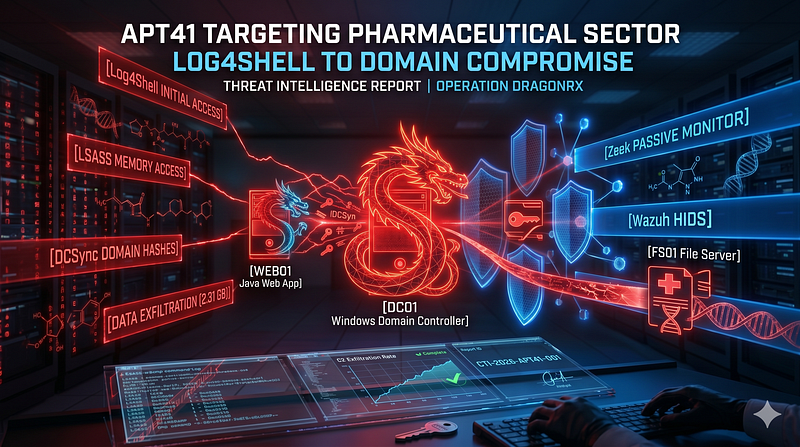
MITRE ATT&CK · direct source mappingAPT41 Targeting Pharmaceutical Sector: Log4Shell to Domain Compromise
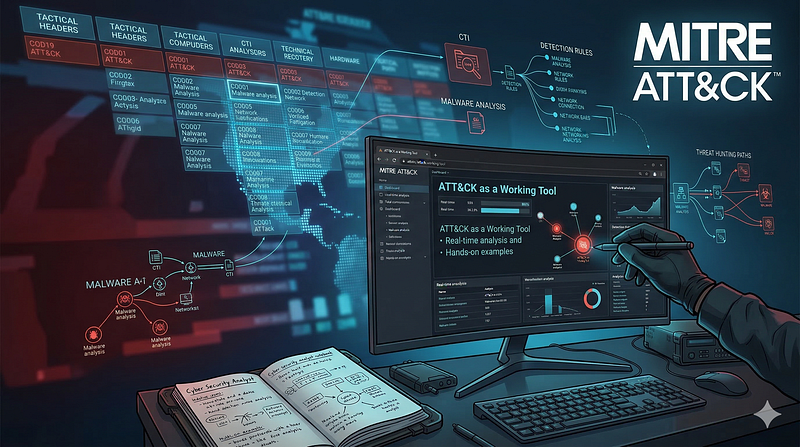
1200km CTI repository · explicit report mentionATT&CK as a Working Tool: Theory and Hands-On Practical Usage
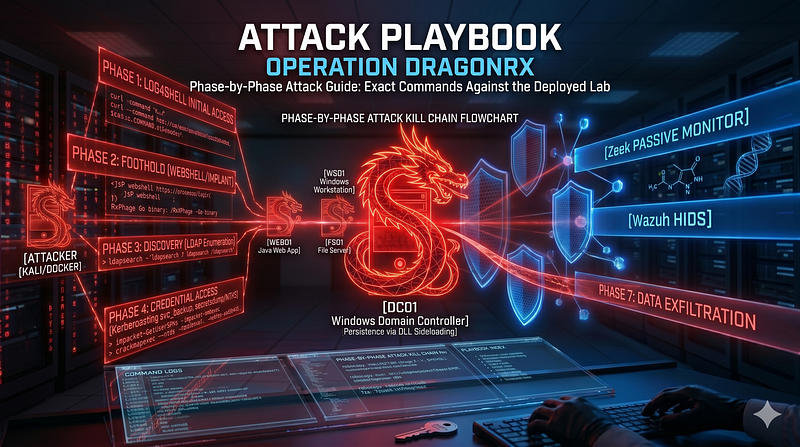
1200km CTI repository · explicit report mentionAttack Playbook — Operation DragonRx
1200km CTI repository · explicit report mentionCTI Research: Handala Hack Group (aka Handala Hack Team)
1200km CTI repository · explicit report mentionCTI Research: Handala Hack Group (aka Handala Hack Team)
1200km CTI repository · explicit report mentionCTI Research: Sandworm / APT44
1200km CTI repository · explicit report mentionCTI Research: Sandworm / APT44
1200km CTI repository · explicit report mentionDetection Guide — Operation DragonRx
1200km CTI repository · explicit report mentionFrom Threat Intelligence to Detection: A Practitioner's Guide
1200km CTI repository · explicit report mentionOperation DragonRx — APT41 Full Attack Simulation
1200km CTI repository · explicit report mentionOperation DragonRx: Simulating an APT41 Attack End-to-End — From Log4Shell to DFIR and Malware Analysis
1200km CTI repository · explicit report mentionAPT41 Targeting Pharmaceutical Sector Log4Shell to Domain Compromise
1200km Medium · authored report mentionATT CK as a Working Tool Theory and Hands On Practical Usage
1200km Medium · authored report mentionAttack Playbook Operation DragonRx
1200km Medium · authored report mentionCTI Research Handala Hack Group aka Handala Hack Team

1200km Medium · authored report mentionCTI Research Sandworm APT44
1200km Medium · authored report mentionFrom Threat Intelligence to Detection A Practitioner s Guide
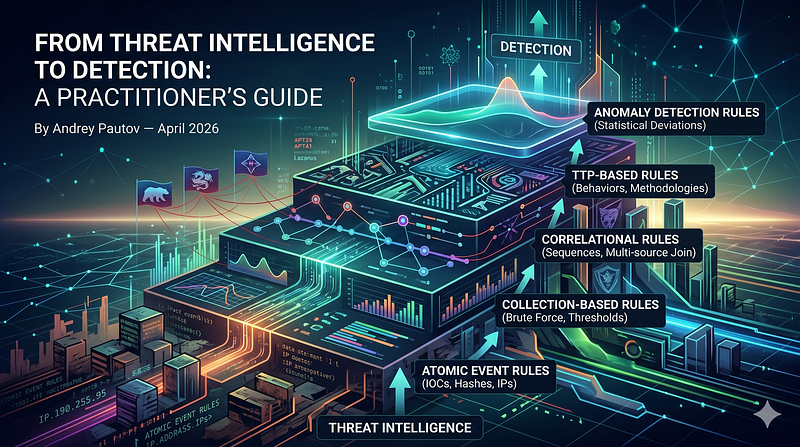
1200km Medium · authored report mentionOperation DragonRx Simulating an APT41 Attack End to End From Log4Shell to DFIR and Malware
1200km Medium · authored report mentionSingle Event Detection Rules in Cybersecurity
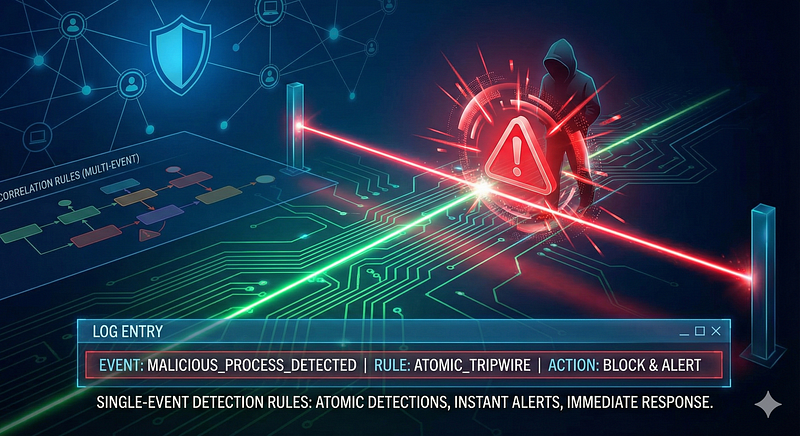
1200km Medium · authored report mentionThe Atomic Standard A Practitioner s Compendium for Single Event Threat Detection
1200km Medium · authored report mention