

Application Isolation and Sandboxing refers to the technique of restricting the execution of code to a controlled and isolated environment (e.g., a virtual environment, container, or sandbox). This method prevents potentially malicious code from affecting the rest of the system or network by limiting access to sensitive resources and critical operations. The goal is to contain threats and minimize their impact. This mitigation can be implemented through the following measures: Browser Sandboxing: - Use Case: Implement browser sandboxing to isolate untrusted web content and prevent malicious web pages or scripts from accessing sensitive system resources or initiating unauthorized downloads. - Implementation: Use browsers with built-in sandboxing features (e.g., Google Chrome, Microsoft Edge) or deploy enhanced browser security frameworks that limit the execution scope of active content.…
MITRE mitigation sourceAdversaryGraph public intelligence page
This page is part of Threat Matrix, the public browser workspace for the main AdversaryGraph platform. Use it for ATT&CK pivots, actor and technique context, similarity leads, detection coverage review, and analyst-ready investigation paths.
Validation disclaimer: TTP overlap, actor similarity, generated summaries, and coverage findings are investigation leads, not attribution proof or operational validation without analyst review.
Main AdversaryGraph project Documentation Malware Analysis GitHub
Exploit Public-Facing Application
Adversaries may attempt to exploit a weakness in an Internet-facing host or system to initially access a network. The weakness in the system can be a software bug, a temporary glitch, or a misconfiguration. Exploited applications are often websites/web servers, but can also include databases (like SQL), standard services (like SMB or SSH), network device administration and management protocols (like SNMP and Smart Install), and any other system with Internet-accessible open sockets.(Citation: NVD CVE-2016-6662)(Citation: CIS Multiple SMB Vulnerabilities)(Citation: US-CERT TA18-106A Network Infrastructure Devices 2018)(Citation: Cisco Blog Legacy Device Attacks)(Citation: NVD CVE-2014-7169) On ESXi infrastructure, adversaries may exploit exposed OpenSLP services; they may alternatively exploit exposed VMware vCenter servers.(Citation: Recorded Future ESXiArgs Ransomware 2023)(Citation: Ars Technica VMWare Code Execution Vulnerability 2021) Depending on the flaw being exploited, this may also involve [Exploitation for Stealth](https://attack.mitre.org/techniques/T1211) or [Exploitation for Client Execution](https://attack.mitre.org/techniques/T1203). If an application is hosted on cloud-based infrastructure and/or is containerized, then exploiting it may lead to compromise of the underlying instance or container. This can allow an adversary a path to access the cloud or container APIs (e.g., via the [Cloud Instance Metadata API](https://attack.mitre.org/techniques/T1552/005)), exploit container host access via [Escape to Host](https://attack.mitre.org/techniques/T1611), or t…
Open detection, hunting, mitigation, and evidence workspace
Detection logic
Monitor application logs for abnormal behavior that may indicate attempted or successful exploitation. Use deep packet inspection to look for artifacts of common exploit traffic, such as SQL injection. Web Application Firewalls may detect improper inputs attempting exploitation.
Observed actors
G0001Ke3chang
G0004APT28
G0007APT29
G0016Threat Group-3390
G0027Sandworm Team
G0034Dragonfly
G0035menuPass
G0045FIN7
G0046Magic Hound
G0059Leviathan
G0065MuddyWater
G0069APT39
G0087GALLIUM
G0093Kimsuky
G0094APT41
G0096BlackTech
G0098Rocke
G0106Blue Mockingbird
G0108GOLD SOUTHFIELD
G0115Fox Kitten
G0117Volatile Cedar
G0123HAFNIUM
G0125BackdoorDiplomacy
G0135Ember Bear
G1003Earth Lusca
G1006Moses Staff
G1009FIN13
G1016Volt Typhoon
G1017Cinnamon Tempest
G1021ToddyCat
G1022APT5
G1023Agrius
G1030INC Ransom
G1032Winter Vivern
G1035Play
G1040Sea Turtle
G1041BlackByte
G1043Salt Typhoon
G1045UNC3886
G1048Medusa Group
G1051Storm-0501
G1053MirrorFace
G1054VOID MANTICORE
G1055TeamPCP
G1056ShinyHunters
G1057The Gentlemen
G1058
Correlated CTI and IR reports
Check Point Research · direct source mappingIran-based Cyber Actors Enabling Ransomware Attacks on US Organizations
FBI / CISA / DC3 · direct source mappingUNC1860 and the Temple of Oats: Iran's Hidden Hand in Middle Eastern Networks
Google Cloud / Mandiant · direct source mappingLebanese Cedar APT
ClearSky Cyber Security · direct source mappingIRGC-Affiliated Actors Exploit Vulnerabilities for Data Extortion and Disk Encryption
CISA · curated primary-source mappingIranian Government-Sponsored APT Actors Exploiting Microsoft Exchange and Fortinet Vulnerabilities
CISA · curated primary-source mappingAPT39 (Chafer / Remix Kitten)
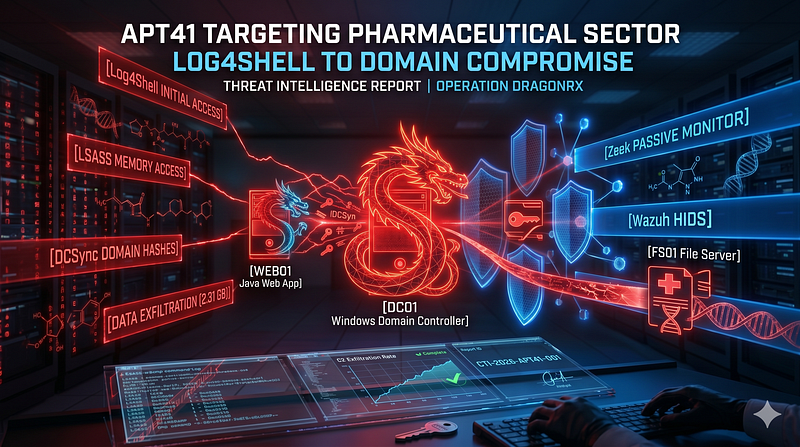
Israel Threat Actors CTI · explicit report mentionAPT41 Targeting Pharmaceutical Sector: Log4Shell to Domain Compromise
1200km CTI repository · explicit report mentionATT&CK as a Working Tool: Theory and Hands-On Practical Usage
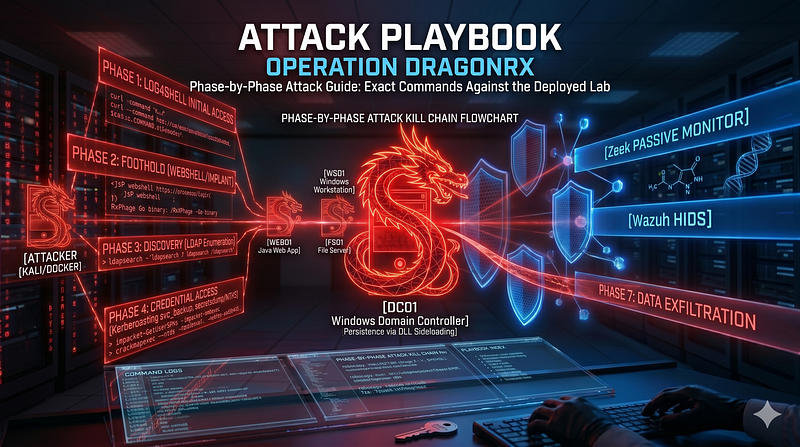
1200km CTI repository · explicit report mentionAttack Playbook — Operation DragonRx
1200km CTI repository · explicit report mentionCTI Research: Handala Hack Group (aka Handala Hack Team)
1200km CTI repository · explicit report mentionCTI Research: Handala Hack Group (aka Handala Hack Team)
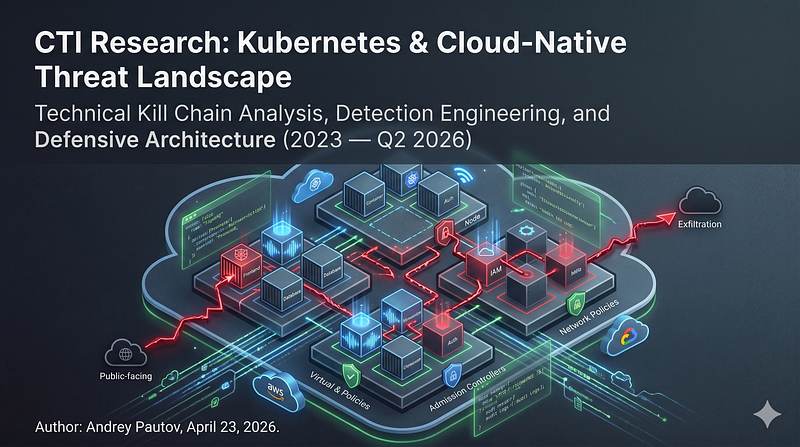
1200km CTI repository · explicit report mentionCTI Research: Kubernetes & Cloud-Native Threat Landscape
1200km CTI repository · explicit report mentionCTI Research: LLM/AI/MCP Usage in the Cyber Kill Chain
1200km CTI repository · explicit report mentionCTI Research: LLM/AI/MCP Usage in the Cyber Kill Chain
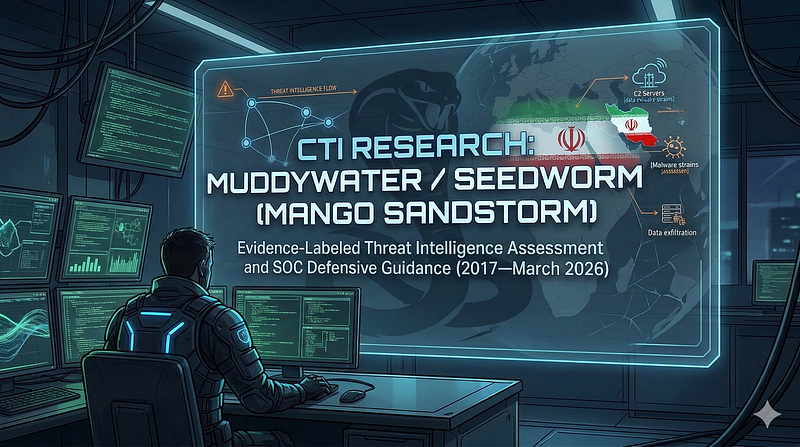
1200km CTI repository · explicit report mentionCTI Research: MuddyWater / Seedworm (Mango Sandstorm)
1200km CTI repository · explicit report mentionCTI Research: MuddyWater / Seedworm (Mango Sandstorm)
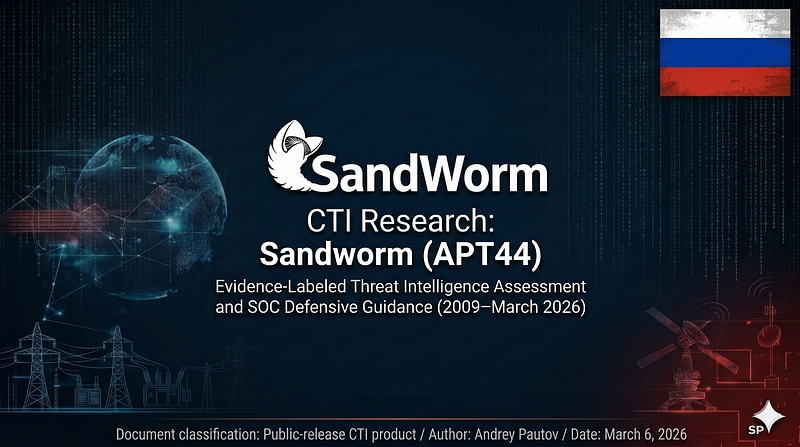
1200km CTI repository · explicit report mentionCTI Research: Sandworm / APT44
1200km CTI repository · explicit report mentionCTI Research: Sandworm / APT44
1200km CTI repository · explicit report mentionCyber Threat Intelligence Dossier: Iranian and Hamas-Aligned Operations Targeting Israeli and Allied Ecosystems (2023-2026)
Israel Threat Actors CTI · explicit report mentionDefensive CTI Research on Threats to Israeli Government and Public-Sector Environments
Israel Threat Actors CTI · explicit report mentionDefensive Cyber Threat Intelligence Report: Israeli Critical Infrastructure and Geopolitical Escalation (2024-2026)
Israel Threat Actors CTI · explicit report mentionDetection Guide — Operation DragonRx
1200km CTI repository · explicit report mentionExecutive Summary
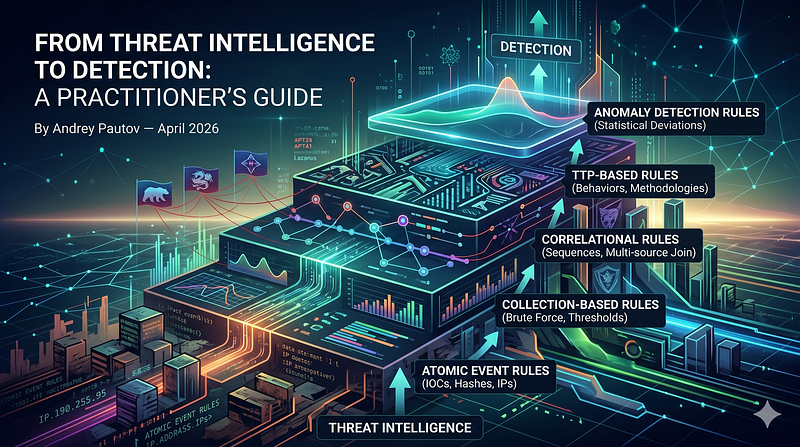
Israel Threat Actors CTI · explicit report mentionFrom Threat Intelligence to Detection: A Practitioner's Guide
1200km CTI repository · explicit report mentionOperation DragonRx — APT41 Full Attack Simulation
1200km CTI repository · explicit report mentionOperation DragonRx: Simulating an APT41 Attack End-to-End — From Log4Shell to DFIR and Malware Analysis
1200km CTI repository · explicit report mentionPioneer Kitten (Fox Kitten, Lemon Sandstorm, UNC757) – Actor Deep Research
Israel Threat Actors CTI · explicit report mentionWorked Cases
Israel Threat Actors CTI · explicit report mentionAPT41 Targeting Pharmaceutical Sector Log4Shell to Domain Compromise
1200km Medium · authored report mentionATT CK as a Working Tool Theory and Hands On Practical Usage
1200km Medium · authored report mentionAttack Playbook Operation DragonRx
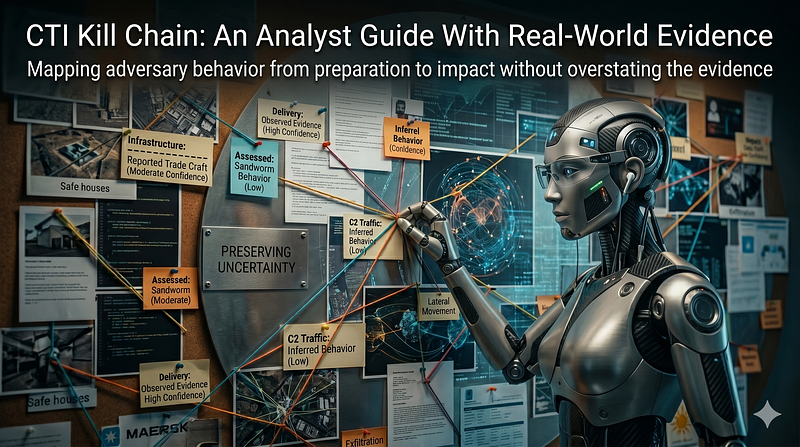
1200km Medium · authored report mentionCTI Kill Chain An Analyst Guide With Real World Evidence
1200km Medium · authored report mentionCTI Research Handala Hack Group aka Handala Hack Team
1200km Medium · authored report mentionCTI Research Kubernetes Cloud Native Threat Landscape
1200km Medium · authored report mentionCTI Research MuddyWater Seedworm Mango Sandstorm
1200km Medium · authored report mentionCTI Research Sandworm APT44
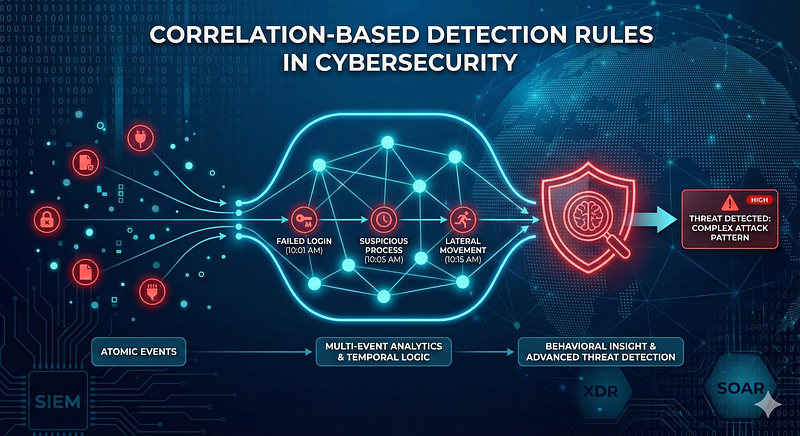
1200km Medium · authored report mentionCorrelation Based Detection Rules in Cybersecurity From Atomic Events to Behavioral Insight
1200km Medium · authored report mentionCyberattacks on 5G Telecom Networks Threat Mapping and Defense
1200km Medium · authored report mentionFrom Threat Intelligence to Detection A Practitioner s Guide
1200km Medium · authored report mention
Cyber Knowledge context
Use these routes to move from the ATT&CK behavior into explanation, implementation, evidence handling, validation, and defensive operations. Relevance is generated from explicit identifiers/names and governed topic mappings; it is not attribution evidence.
Vulnerability Research & Exploit Development · Explicit ATT&CK ID · 100/100Weakness taxonomy and vulnerability identity
Vulnerability Research & Exploit Development · Governed topic match · 69/100Data classification, storage, cryptography, keys, backup, and deletion
Cloud Security · Governed topic match · 69/100Cloud logging, detection engineering, ATT CK, and response automation
Cloud Security · Governed topic match · 69/100Research governance, authorization, and safety
Vulnerability Research & Exploit Development · Governed topic match · 63/100Container image, registry, runtime, and host security
Cloud Security · Governed topic match · 63/100Module 2 — The Intelligence Cycle Intelligence Types
Cyber Threat Intelligence (CTI) · Governed topic match · 60/100Coordinated disclosure, PSIRT, scoring, remediation, and regression
Vulnerability Research & Exploit Development · Governed topic match · 60/100Requirements, ownership, inventory, and data flow
Secure Code & Application Security · Governed topic match · 60/100Memory-safety and low-level weakness classes
Vulnerability Research & Exploit Development · Governed topic match · 57/100Mobile and Android vulnerability research
Vulnerability Research & Exploit Development · Governed topic match · 57/100Module 7 — Intelligence Products Sharing
Cyber Threat Intelligence (CTI) · Governed topic match · 51/100
MITRE mitigations
Employ network appliances and endpoint software to filter ingress, egress, and lateral network traffic. This includes protocol-based filtering, enforcing firewall rules, and blocking or restricting traffic based on predefined conditions to limit adversary movement and data exfiltration. This mitigation can be implemented through the following measures: Ingress Traffic Filtering: - Use Case: Configure network firewalls to allow traffic only from authorized IP addresses to public-facing servers. - Implementation: Limit SSH (port 22) and RDP (port 3389) traffic to specific IP ranges. Egress Traffic Filtering: - Use Case: Use firewalls or endpoint security software to block unauthorized outbound traffic to prevent data exfiltration and command-and-control (C2) communications. - Implementation: Block outbound traffic to known malicious IPs or regions where communication is unexpected. Protoc…
MITRE mitigation sourceNetwork segmentation involves dividing a network into smaller, isolated segments to control and limit the flow of traffic between devices, systems, and applications. By segmenting networks, organizations can reduce the attack surface, restrict lateral movement by adversaries, and protect critical assets from compromise. Effective network segmentation leverages a combination of physical boundaries, logical separation through VLANs, and access control policies enforced by network appliances like firewalls, routers, and cloud-based configurations. This mitigation can be implemented through the following measures: Segment Critical Systems: - Identify and group systems based on their function, sensitivity, and risk. Examples include payment systems, HR databases, production systems, and internet-facing servers. - Use VLANs, firewalls, or routers to enforce logical separation. Implement DMZ f…
MITRE mitigation sourceVulnerability scanning involves the automated or manual assessment of systems, applications, and networks to identify misconfigurations, unpatched software, or other security weaknesses. The process helps prioritize remediation efforts by classifying vulnerabilities based on risk and impact, reducing the likelihood of exploitation by adversaries. This mitigation can be implemented through the following measures: Proactive Identification of Vulnerabilities - Implementation: Use tools like Nessus or OpenVAS to scan endpoints, servers, and applications for missing patches and configuration issues. Schedule regular scans to ensure timely identification of vulnerabilities introduced by new deployments or updates. - Use Case: A scan identifies unpatched software, such as outdated Apache servers, which could be exploited via CVE-XXXX-XXXX. The server is promptly patched, mitigating the risk. C…
MITRE mitigation sourcePrivileged Account Management focuses on implementing policies, controls, and tools to securely manage privileged accounts (e.g., SYSTEM, root, or administrative accounts). This includes restricting access, limiting the scope of permissions, monitoring privileged account usage, and ensuring accountability through logging and auditing.This mitigation can be implemented through the following measures: Account Permissions and Roles: - Implement RBAC and least privilege principles to allocate permissions securely. - Use tools like Active Directory Group Policies to enforce access restrictions. Credential Security: - Deploy password vaulting tools like CyberArk, HashiCorp Vault, or KeePass for secure storage and rotation of credentials. - Enforce password policies for complexity, uniqueness, and expiration using tools like Microsoft Group Policy Objects (GPO). Multi-Factor Authentication (MF…
MITRE mitigation sourceDeploy capabilities that detect, block, and mitigate conditions indicative of software exploits. These capabilities aim to prevent exploitation by addressing vulnerabilities, monitoring anomalous behaviors, and applying exploit-mitigation techniques to harden systems and software. Operating System Exploit Protections: - Use Case: Enable built-in exploit protection features provided by modern operating systems, such as Microsoft's Exploit Protection, which includes techniques like Data Execution Prevention (DEP), Address Space Layout Randomization (ASLR), and Control Flow Guard (CFG). - Implementation: Enforce DEP for all programs and enable ASLR to randomize memory addresses used by system and application processes. Windows: Configure Exploit Protection through the Windows Security app or deploy settings via Group Policy. `ExploitProtectionExportSettings.exe -path "exploit_settings.xml"…
MITRE mitigation sourceRestrict access to network resources, such as file shares, remote systems, and services, to only those users, accounts, or systems with a legitimate business requirement. This can include employing technologies like network concentrators, RDP gateways, and zero-trust network access (ZTNA) models, alongside hardening services and protocols. This mitigation can be implemented through the following measures: Audit and Restrict Access: - Regularly audit permissions for file shares, network services, and remote access tools. - Remove unnecessary access and enforce least privilege principles for users and services. - Use Active Directory and IAM tools to restrict access based on roles and attributes. Deploy Secure Remote Access Solutions: - Use RDP gateways, VPN concentrators, and ZTNA solutions to aggregate and secure remote access connections. - Configure access controls to restrict connect…
MITRE mitigation sourceSoftware updates ensure systems are protected against known vulnerabilities by applying patches and upgrades provided by vendors. Regular updates reduce the attack surface and prevent adversaries from exploiting known security gaps. This includes patching operating systems, applications, drivers, and firmware. This mitigation can be implemented through the following measures: Regular Operating System Updates - Implementation: Apply the latest Windows security updates monthly using WSUS (Windows Server Update Services) or a similar patch management solution. Configure systems to check for updates automatically and schedule reboots during maintenance windows. - Use Case: Prevents exploitation of OS vulnerabilities such as privilege escalation or remote code execution. Application Patching - Implementation: Monitor Apache's update release notes for security patches addressing vulnerabiliti…
MITRE mitigation sourceMITRE detection strategies and analytics
- AN0219 · Analytic 0219 — Adversary sends crafted HTTP/S (or other service) input to an Internet-facing app (IIS/ASP.NET, API, device portal). Chain: (1) abnormal request patterns to public endpoint → (2) elevated 4xx/5xx or unusual methods/paths → (3) server process (w3wp.exe/other service) spawns shell/LOLbins or loads non-standard modules → (4) optional outbound callback from the host/container.
- AN0220 · Analytic 0220 — Adversary exploits Apache/Nginx/app servers. Chain: (1) suspicious requests in access logs → (2) spike of 5xx or WAF blocks → (3) web server or interpreter (apache2/nginx/php-fpm/node/python) spawns /bin/sh, curl, wget, socat, or writes webshell → (4) outbound callback.
- AN0221 · Analytic 0221 — Adversary targets macOS-hosted public services (e.g., nginx, node). Chain: suspicious inbound request → service crash/5xx → service spawns shell or writes file → new outbound connection.
- AN0222 · Analytic 0222 — Adversary exploits containerized app via ingress or service. Chain: (1) suspicious request in ingress/app logs → (2) container process spawns a shell/exec/sidecar (kubectl exec/docker exec) → (3) egress to Internet or metadata service (169.254.169.254).
- AN0223 · Analytic 0223 — Adversary targets cloud-hosted public endpoints. Chain: (1) ALB/ELB/Cloud LB logs show exploit-like inputs or error spikes → (2) workload spawns shell or reaches metadata API → (3) egress to new external hosts.
- AN0224 · Analytic 0224 — Adversary exploits exposed OpenSLP on ESXi or vCenter public endpoints. Chain: inbound request pattern to mgmt service → hostd/vpxd error/crash/restart → unexpected process behavior or datastore access → outbound callback.
- AN0225 · Analytic 0225 — Adversary exploits public admin services on routers/firewalls/switches. Chain: anomalous HTTP/SNMP/SmartInstall inputs → device syslog errors/restarts → config changes/CLI spawn → egress to attacker C2.
Related sector research
Editorial reading routes, not additional MITRE relationships or proof of an actor's involvement in a particular incident.
- Cyberattacks on Big Pharma and Its Ecosystem — MOVEit campaign: CVE-2023-34362 exploitation; victim impact requires separate evidence. Evidence cutoff: 2026-09-25.
Continue the investigation
Attack tools, simulations and detection rules
Follow explicit source relationships into the reference modules. Linked procedures and detectors are not claims of live validation or actor attribution.
- T1190 Exploit Public-Facing Application simulation — Exact active technique ID
- T1190 detection rules — Exact active technique ID; not actor-specific detector coverage