Disable or Modify Tools
Adversaries may modify and/or disable security tools to avoid possible detection of their malware/tools and activities. This may take many forms, such as killing security software processes or services, modifying / deleting Registry keys or configuration files so that tools do not operate properly, or other methods to interfere with security tools scanning or reporting information. Adversaries may also disable updates to prevent the latest security patches from reaching tools on victim systems. Adversaries may also tamper with artifacts deployed and utilized by security tools. Security tools may make dynamic changes to system components in order to maintain visibility into specific events. For example, security products may load their own modules and/or modify those loaded by processes to facilitate data collection. Similar to Indicator Blocking, adversaries may unhook or otherwise modify these features added by tools (especially those that exist in userland or are otherwise potentially accessible to adversaries) to avoid detection. Adversaries may also focus on specific applications such as Sysmon. For example, the “Start” and “Enable” values in HKEY_LOCAL_MACHINE\SYSTEM\CurrentControlSet\Control\WMI\Autologger\EventLog-Microsoft-Windows-Sysmon-Operational may be modified to tamper with and potentially disable Sysmon logging. On network devices, adversaries may attempt to skip digital signature verification checks by altering startup configuration files and effectively disabling firmware verification that typically occurs at boot. In cloud environments, tools disabled by adversaries may include cloud monitoring agents that report back to services such as AWS CloudWatch or Google Cloud Monitor. Furthermore, although defensive tools may have anti-tampering mechanisms, adversaries may abuse tools such as legitimate rootkit removal kits to impair and/or disable these tools. For example, adversaries have used tools such as GMER to find and shut down hidden processes and antivirus software on infected systems. Additionally, adversaries may exploit legitimate drivers from anti-virus software to gain access to kernel space (i.e. Exploitation for Privilege Escalation), which may lead to bypassing anti-tampering features.
Open detection, hunting, mitigation, and evidence workspace
Detection logic
Monitor processes and command-line arguments to see if security tools/services are killed or stop running. Monitor Registry edits for modifications to services and startup programs that correspond to security tools. Monitoring for changes to other known features used by deployed security tools may also expose malicious activity. Lack of expected log events may be suspicious.
Observed actors
G0119Kimsuky
G0094Gorgon Group
G0078MuddyWater
G0069FIN6
G0037Gamaredon Group
G0047TeamTNT
G0139Rocke
G0106TA2541
G1018Putter Panda
G0024Aquatic Panda
G0143Saint Bear
G1031Turla
G0010TA505
G0092APT29
G0016BRONZE BUTLER
G0060Ember Bear
G1003Agrius
G1030Lazarus Group
G0032INC Ransom
G1032Wizard Spider
G0102Play
G1040Magic Hound
G0059
Correlated CTI and IR reports
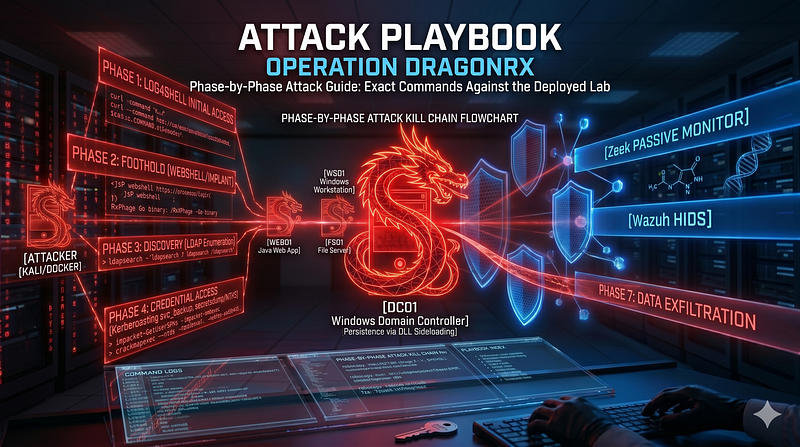
1200km CTI repository · explicit report mentionAttack Playbook — Operation DragonRx
1200km CTI repository · explicit report mentionCTI Research: Sandworm / APT44
1200km CTI repository · explicit report mentionCTI Research: Sandworm / APT44
1200km CTI repository · explicit report mentionCyber Threat Intelligence Dossier: Iranian and Hamas-Aligned Operations Targeting Israeli and Allied Ecosystems (2023-2026)
Israel Threat Actors CTI · explicit report mentionExecutive Summary
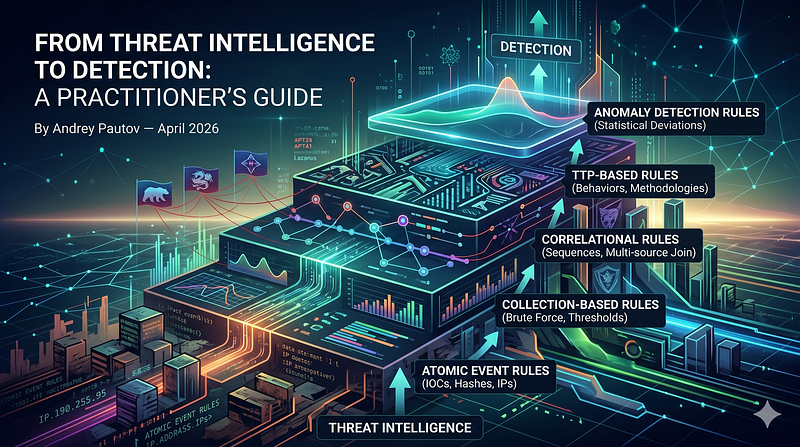
Israel Threat Actors CTI · explicit report mentionFrom Threat Intelligence to Detection: A Practitioner's Guide
1200km CTI repository · explicit report mentionOperation DragonRx — APT41 Full Attack Simulation
1200km CTI repository · explicit report mentionOperation DragonRx: Simulating an APT41 Attack End-to-End — From Log4Shell to DFIR and Malware Analysis
1200km CTI repository · explicit report mentionPioneer Kitten (Fox Kitten, Lemon Sandstorm, UNC757) – Actor Deep Research
Israel Threat Actors CTI · explicit report mentionAPT41 Targeting Pharmaceutical Sector Log4Shell to Domain Compromise
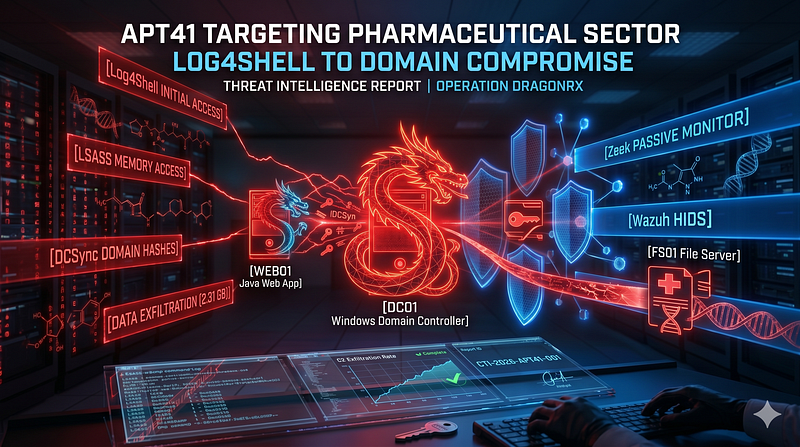
1200km Medium · authored report mentionAttack Playbook Operation DragonRx
1200km Medium · authored report mentionCTI Research Sandworm APT44
1200km Medium · authored report mentionFrom Threat Intelligence to Detection A Practitioner s Guide
1200km Medium · authored report mentionOperation DragonRx Simulating an APT41 Attack End to End From Log4Shell to DFIR and Malware
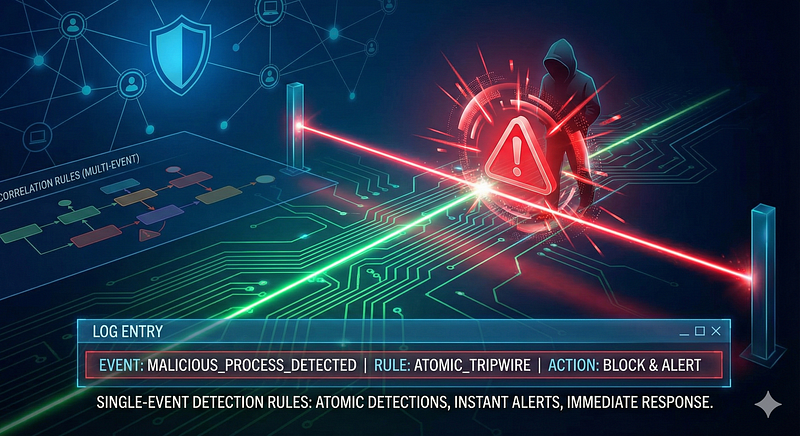
1200km Medium · authored report mentionSingle Event Detection Rules in Cybersecurity
1200km Medium · authored report mention