Deploy capabilities that detect, block, and mitigate conditions indicative of software exploits. These capabilities aim to prevent exploitation by addressing vulnerabilities, monitoring anomalous behaviors, and applying exploit-mitigation techniques to harden systems and software. Operating System Exploit Protections: - Use Case: Enable built-in exploit protection features provided by modern operating systems, such as Microsoft's Exploit Protection, which includes techniques like Data Execution Prevention (DEP), Address Space Layout Randomization (ASLR), and Control Flow Guard (CFG). - Implementation: Enforce DEP for all programs and enable ASLR to randomize memory addresses used by system and application processes. Windows: Configure Exploit Protection through the Windows Security app or deploy settings via Group Policy. `ExploitProtectionExportSettings.exe -path "exploit_settings.xml"…
MITRE mitigation sourceAdversaryGraph public intelligence page
This page is part of Threat Matrix, the public browser workspace for the main AdversaryGraph platform. Use it for ATT&CK pivots, actor and technique context, similarity leads, detection coverage review, and analyst-ready investigation paths.
Validation disclaimer: TTP overlap, actor similarity, generated summaries, and coverage findings are investigation leads, not attribution proof or operational validation without analyst review.
Main AdversaryGraph project Documentation Malware Analysis GitHub
Exploitation for Stealth
Adversaries may exploit vulnerabilities to evade detection by hiding activity, suppressing logging, or operating within trusted or unmonitored components. Adversaries may exploit a system or application vulnerability to avoid detection while maintaining access within an environment. Exploitation occurs when an adversary leverages a programming flaw to execute code in a manner that minimizes visibility or blends in with legitimate activity. Rather than directly disabling defenses, adversaries may use exploitation to circumvent monitoring and logging mechanisms. This can include abusing vulnerabilities in logging pipelines, security tools, or cloud infrastructure to evade audit trails, suppress alerts, or operate without generating telemetry. Adversaries may identify these opportunities through prior reconnaissance or by performing discovery of security controls after initial access. In some cases, vulnerabilities in SaaS or public cloud environments may be exploited to evade logging, obscure activity, or deploy infrastructure that remains hidden from standard monitoring tools.(Citation: Bypassing CloudTrail in AWS Service Catalog)(Citation: GhostToken GCP flaw)
Open detection, hunting, mitigation, and evidence workspace
Detection logic
Exploitation for defense evasion may happen shortly after the system has been compromised to prevent detection during later actions for for additional tools that may be brought in and used. Detecting software exploitation may be difficult depending on the tools available. Software exploits may not always succeed or may cause the exploited process to become unstable or crash. Also look for behavior on the system that might indicate successful compromise, such as abnormal behavior of processes. This could include suspicious files written to disk, evidence of Process Injection for attempts to hide execution or evidence of Discovery.
Observed actors
Correlated CTI and IR reports
Cyber Knowledge context
Use these routes to move from the ATT&CK behavior into explanation, implementation, evidence handling, validation, and defensive operations. Relevance is generated from explicit identifiers/names and governed topic mappings; it is not attribution evidence.
Malware Analysis & Reverse Engineering · Tactic learning route · 24/100Module 4 — Detection engineering and detection as code
Blue Team & Defensive Security · Tactic learning route · 24/100Disk, file-system, and persistence forensics
Digital Forensics & Incident Response (DFIR) · Tactic learning route · 24/100
MITRE mitigations
Software updates ensure systems are protected against known vulnerabilities by applying patches and upgrades provided by vendors. Regular updates reduce the attack surface and prevent adversaries from exploiting known security gaps. This includes patching operating systems, applications, drivers, and firmware. This mitigation can be implemented through the following measures: Regular Operating System Updates - Implementation: Apply the latest Windows security updates monthly using WSUS (Windows Server Update Services) or a similar patch management solution. Configure systems to check for updates automatically and schedule reboots during maintenance windows. - Use Case: Prevents exploitation of OS vulnerabilities such as privilege escalation or remote code execution. Application Patching - Implementation: Monitor Apache's update release notes for security patches addressing vulnerabiliti…
MITRE mitigation sourceA Threat Intelligence Program enables organizations to proactively identify, analyze, and act on cyber threats by leveraging internal and external data sources. The program supports decision-making processes, prioritizes defenses, and improves incident response by delivering actionable intelligence tailored to the organization's risk profile and operational environment. This mitigation can be implemented through the following measures: Establish a Threat Intelligence Team: - Form a dedicated team or assign responsibility to existing security personnel to collect, analyze, and act on threat intelligence. Define Intelligence Requirements: - Identify the organization’s critical assets and focus intelligence gathering efforts on threats targeting these assets. Leverage Internal and External Data Sources: - Collect intelligence from internal sources such as logs, incidents, and alerts. Subsc…
MITRE mitigation sourceApplication Isolation and Sandboxing refers to the technique of restricting the execution of code to a controlled and isolated environment (e.g., a virtual environment, container, or sandbox). This method prevents potentially malicious code from affecting the rest of the system or network by limiting access to sensitive resources and critical operations. The goal is to contain threats and minimize their impact. This mitigation can be implemented through the following measures: Browser Sandboxing: - Use Case: Implement browser sandboxing to isolate untrusted web content and prevent malicious web pages or scripts from accessing sensitive system resources or initiating unauthorized downloads. - Implementation: Use browsers with built-in sandboxing features (e.g., Google Chrome, Microsoft Edge) or deploy enhanced browser security frameworks that limit the execution scope of active content.…
MITRE mitigation sourceMITRE detection strategies and analytics
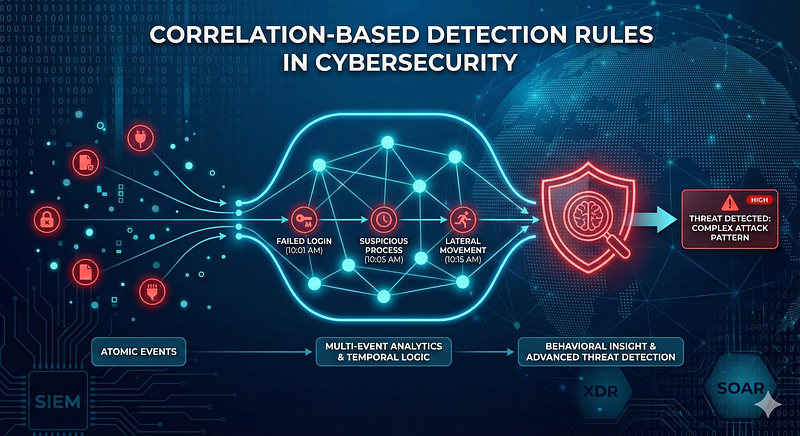
- AN1633 · Analytic 1633 — Detects exploitation attempts targeting defensive security software or OS services. Defender observation includes abnormal process behavior (e.g., AV or EDR crashing unexpectedly), unsigned/untrusted modules loaded into defensive processes, or privilege escalation from security agent services. Multi-event correlation ties exploitation attempts to subsequent evasive behavior like service termination or missing logs.
- AN1634 · Analytic 1634 — Detects kernel- or user-space exploitation attempts targeting auditd, AV daemons, or security monitoring agents. Defender observation includes unexpected segfaults, privilege escalation attempts from low-privileged processes, or modifications to security binaries. Correlates exploitation attempts with subsequent gaps in logging or terminated processes.
- AN1635 · Analytic 1635 — Detects exploitation of macOS security and integrity services, such as Gatekeeper, XProtect, or EDR agents. Defender observations include unsigned processes attempting privileged operations, abnormal termination of security daemons, or modification of system integrity logs.
- AN1636 · Analytic 1636 — Detects exploitation of IaaS cloud security boundaries to evade defense controls. Defender perspective includes anomalous API calls that bypass audit logging, disable monitoring, or manipulate guardrails (e.g., CloudTrail tampering). Correlation highlights when exploitation attempts precede sudden absence of expected telemetry.
- AN1637 · Analytic 1637 — Detects adversary abuse of SaaS platform vulnerabilities to bypass logging, monitoring, or consent boundaries. Defender perspective focuses on abnormal application integration events, missing audit logs, or API calls from unauthorized service principals that align with exploitation attempts.
Continue the investigation
Attack tools, simulations and detection rules
Follow explicit source relationships into the reference modules. Linked procedures and detectors are not claims of live validation or actor attribution.
- T1211 Exploitation for Stealth simulation — Exact active technique ID
- T1211 detection rules — Exact active technique ID; not actor-specific detector coverage