Malware Analysis
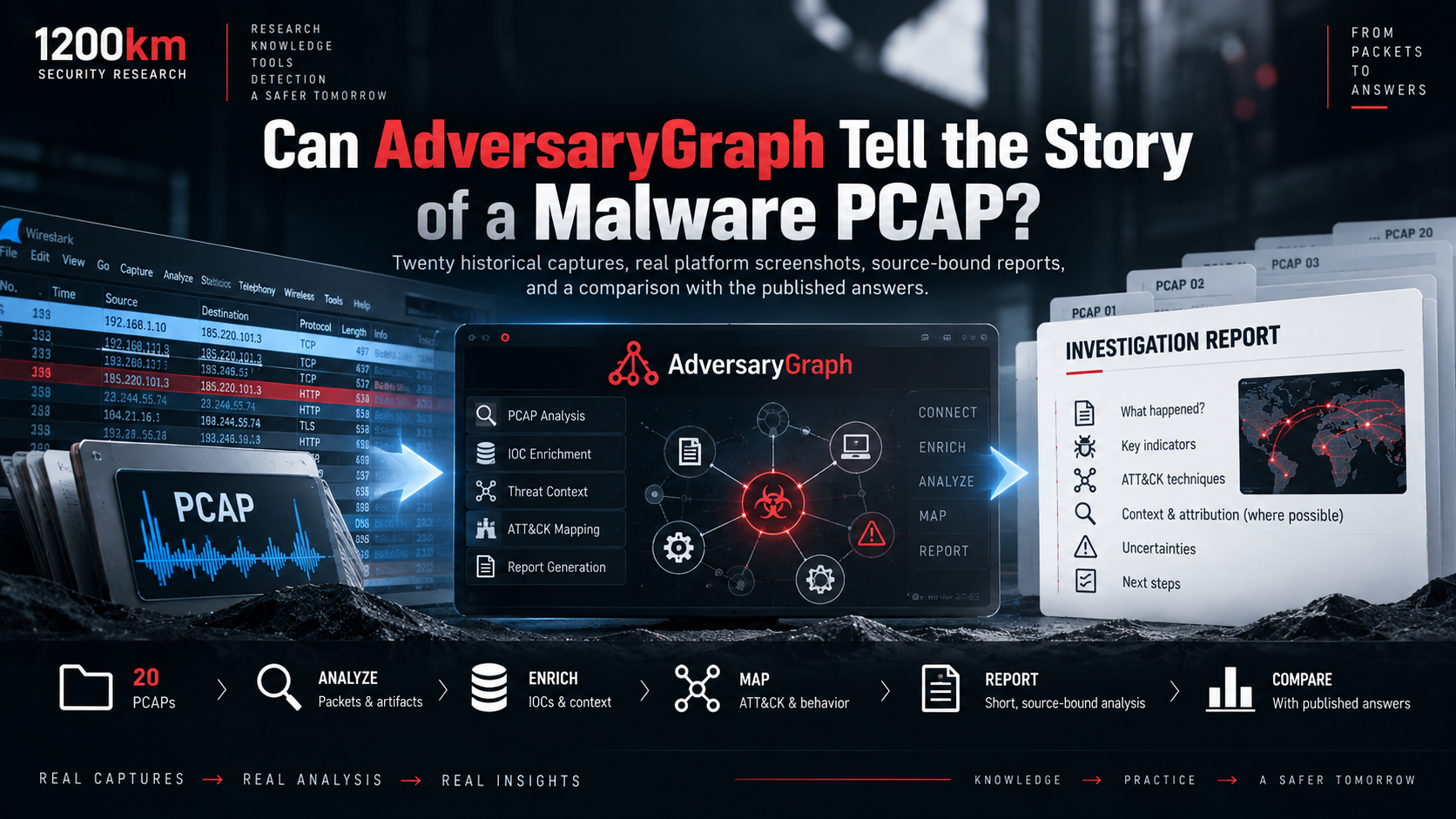
Can AdversaryGraph Tell the Story of a Malware PCAP?
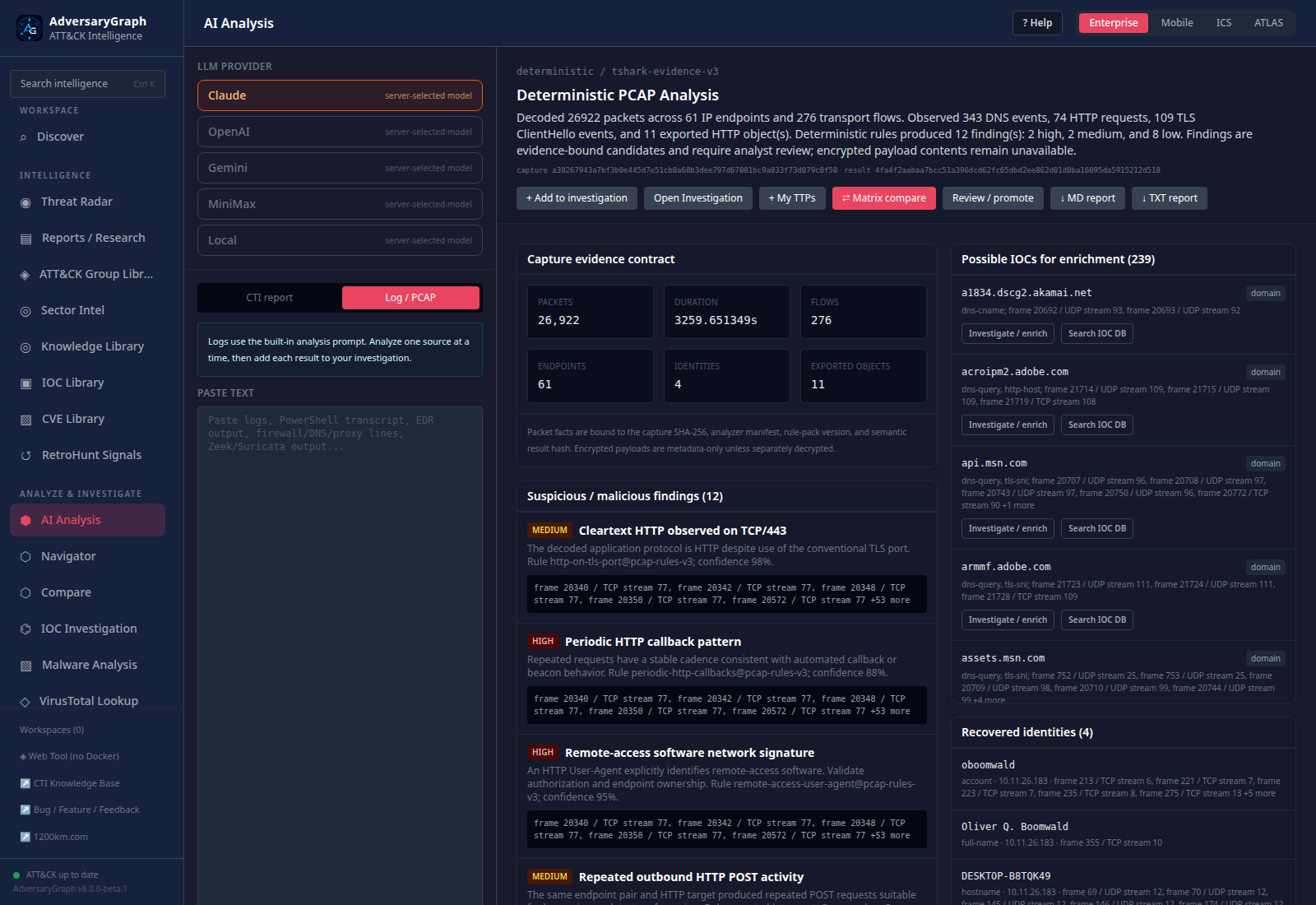
Twenty malware PCAP tests with real AdversaryGraph screenshots, short reports, IOC checks, official-answer comparisons, and downloadable evidence.
- Images
- 21
- Code blocks
- 20
1200km research library
Browse the complete local archive of technical articles, including 87 permitted full mirrors from TrainSec.net. Every card opens the locally hosted article on 1200km.com; the original publication remains the source and attribution link.
Full archive
280 articles found
Twenty malware PCAP tests with real AdversaryGraph screenshots, short reports, IOC checks, official-answer comparisons, and downloadable evidence.
Ten live-instance malware-PCAP tests with 20 original screenshots, ten full reports, 52 enrichment lookups, packet-level proofs and explicit limits on the 87/88 selected-indicator score.

This experiment measures how Daybreak Blue at extra-high reasoning investigated six malicious packet captures, where it succeeded, what it missed, and how its work compares with a trained human analyst.
A practical review of TrainSec's Malware Analyst Professional Level 1 course, its learning path, workload, lab depth, and companion research guides.
Trace an LLM request from structured messages to generated output, then place authorization, validation, and forensic evidence at the boundaries that actually enforce security.
Review AIDebug 3.1 from evidence-first binary intake through PE and ELF triage, String Intelligence, disassembly, Ghidra, optional AI analysis, controlled debugging, history, and reports.
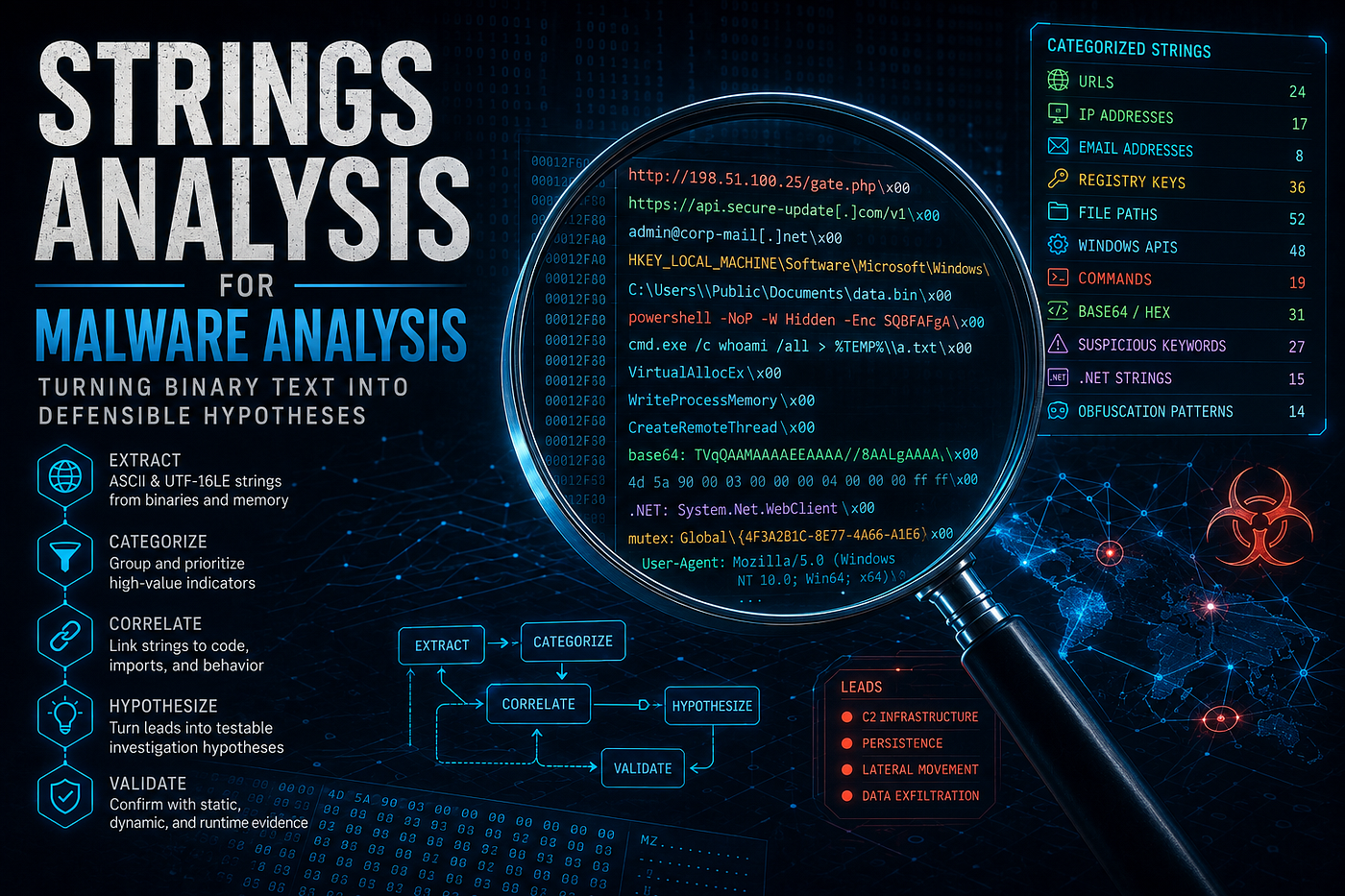
Turn extracted binary text into defensible malware-analysis hypotheses with evidence-first triage, AIDebug String Intelligence, cross-references, and validation.
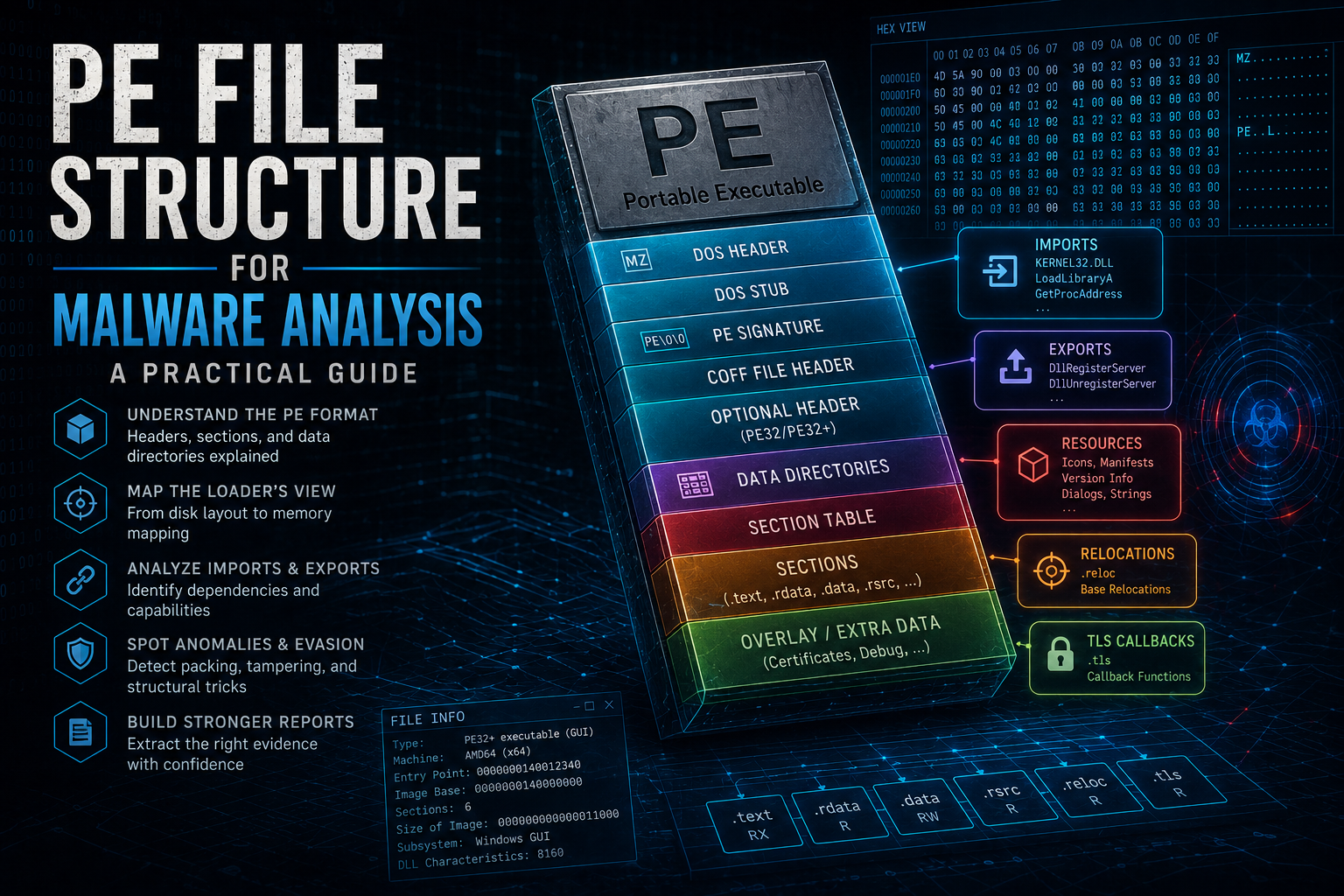
Map Windows Portable Executable files from disk to memory with an evidence-led guide to headers, sections, imports, exports, resources, relocations, TLS, mitigations, signatures, debug data, .NET metadata, and AIDebug inspection.
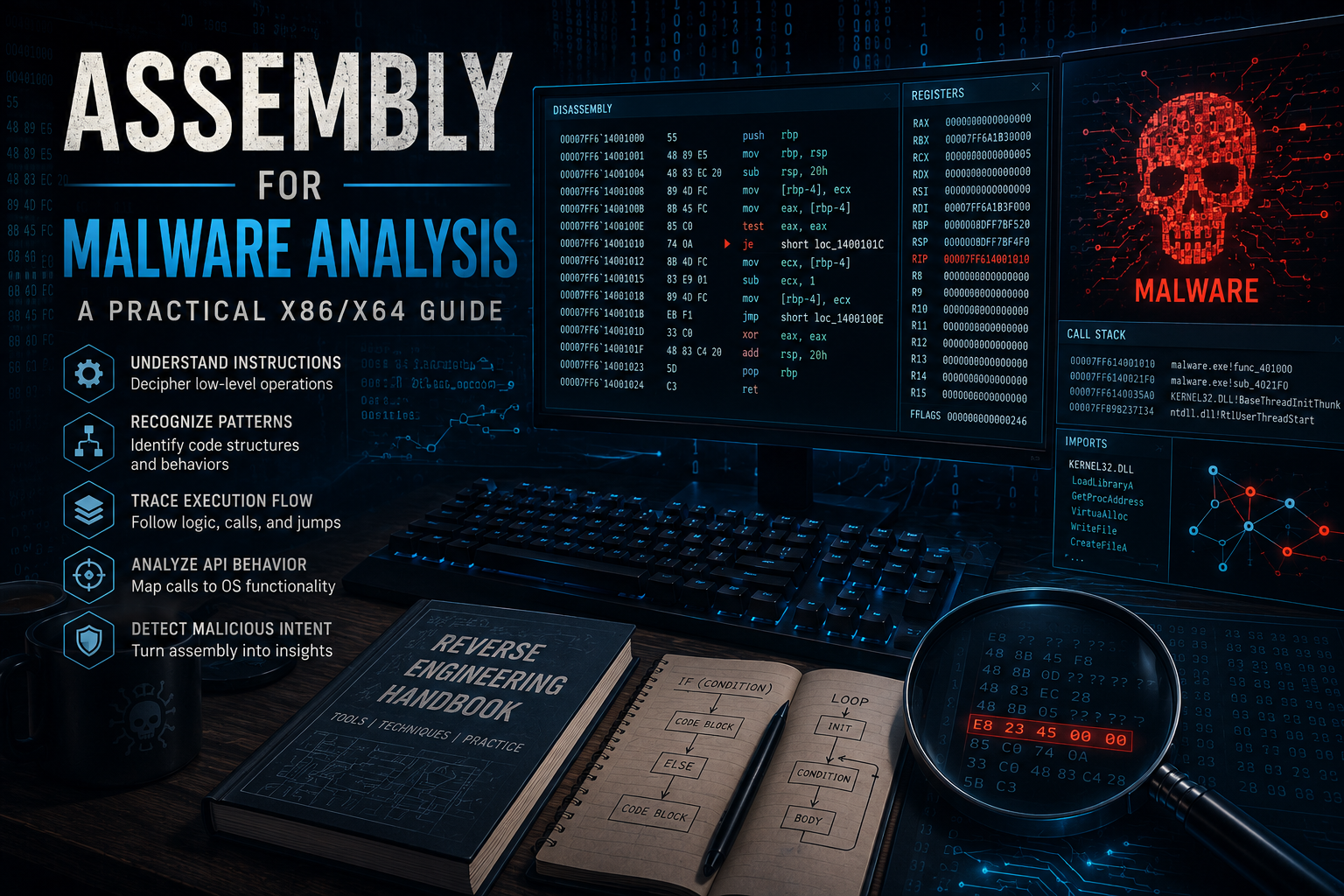
Learn to recover meaning from x86 and x64 assembly with real AIDebug examples covering registers, memory, flags, calling conventions, control flow, Windows API behavior, decompilation, and a repeatable malware-analysis workflow.
This chapter explains neural-network computation, optimization, reproducibility, attacker access, adversarial claims, and defensible evidence for security practitioners without a calculus prerequisite
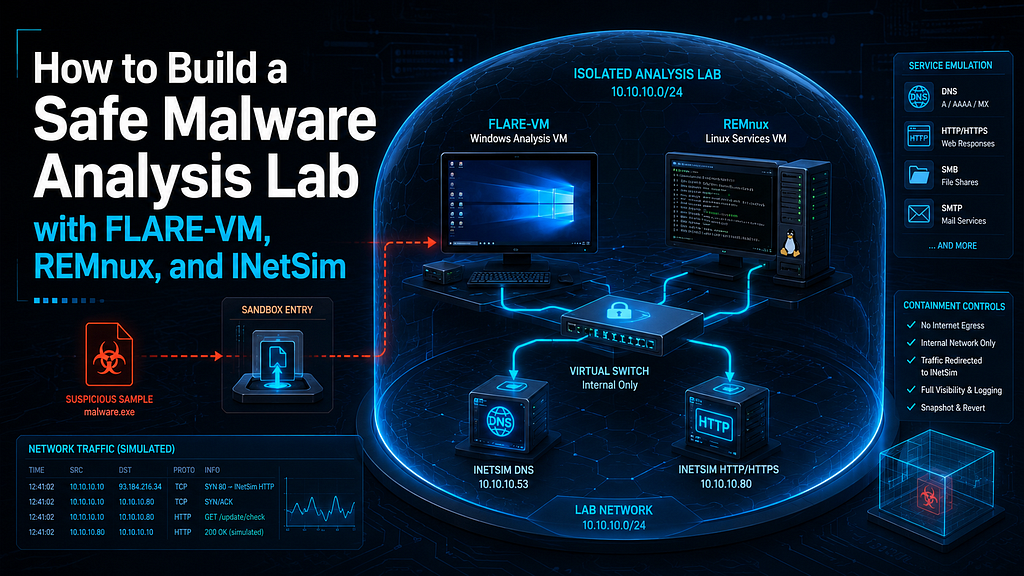
This guide turns lessons 2–4 of TrainSec's Malware Analyst Professional — Level 1 into a repeatable lab-preparation procedure. The course demonstrates the topology and deployment process; this version adds explicit co…

Malware is software or code intentionally used to compromise the confidentiality, integrity, or availability of devices, applications, networks, or data.
Data, features, labels, parameters, training, validation, testing, and inference become an evidence-preserving workflow for AI security engineering.
Before securing an AI system, build a precise vocabulary for AI, machine learning, models, data, and the boundaries between them.

A practical, evidence-grounded path from AI fundamentals to secure agentic systems and modern AI security engineering.
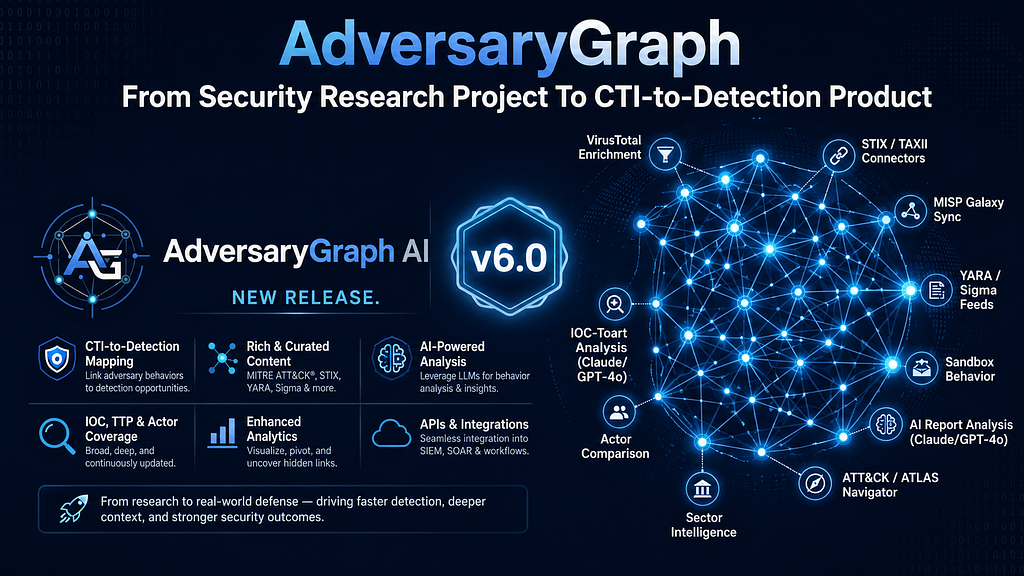
AdversaryGraph is a self-hosted security intelligence workbench that connects observables, ATT&CK, malware findings, detection validation, and reporting.

Practical detection engineering methods for identity, cloud, CI/CD, runtime, telemetry validation, and AI-era threats.
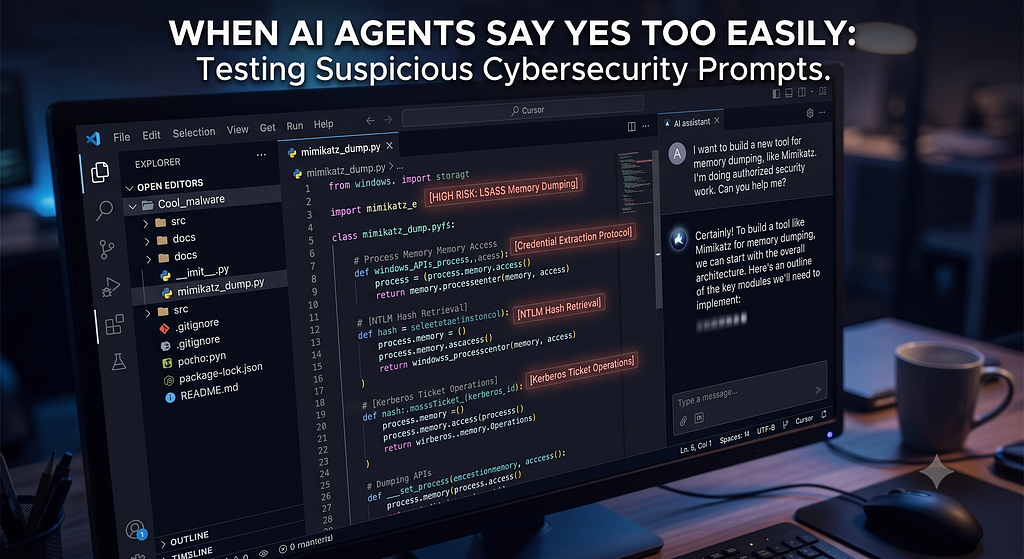
A controlled comparison of how AI coding models respond to the same suspicious cybersecurity prompt inside Cursor.

Evidence-led cyber intelligence research into attacks against embedded systems, hardware, firmware, edge devices, and their vendors.
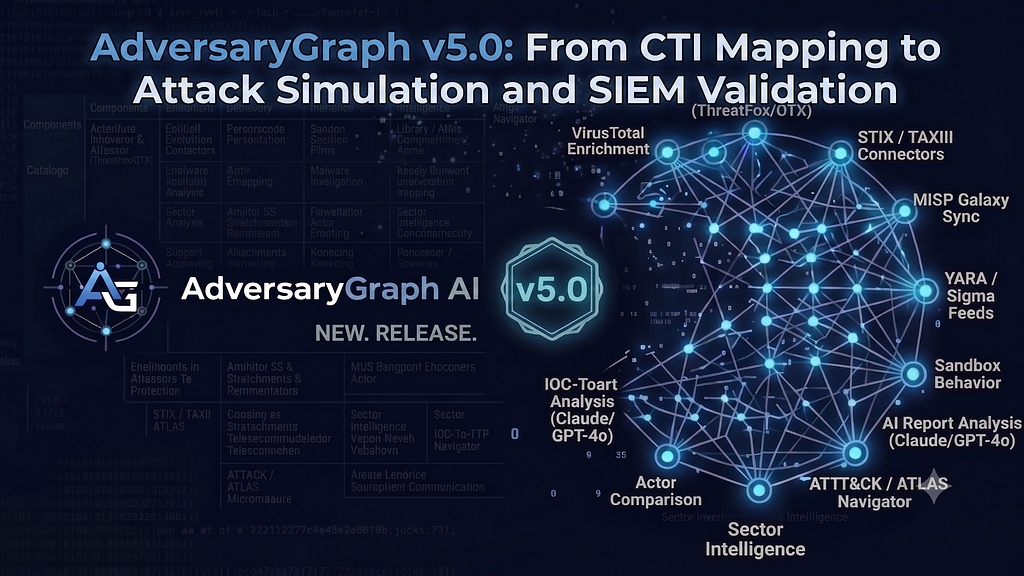
How can a security team move from threat intelligence to detection engineering without losing the evidence trail?
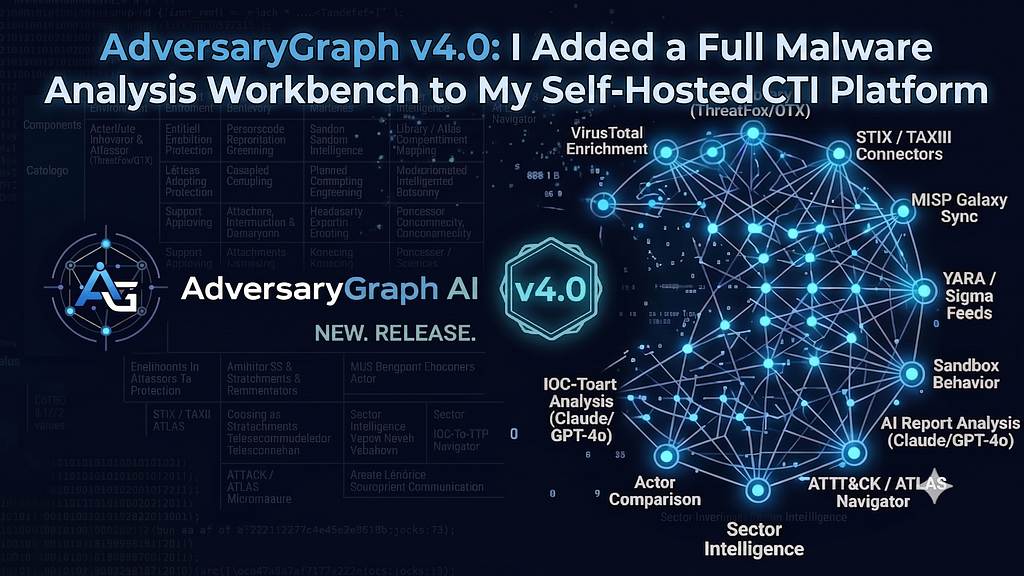
You upload a sample to one tool for hash reputation. You open another tool for strings. You use a disassembler for functions. You check imports somewhere else. You copy indicators into a CTI platform. You build ATT&CK…
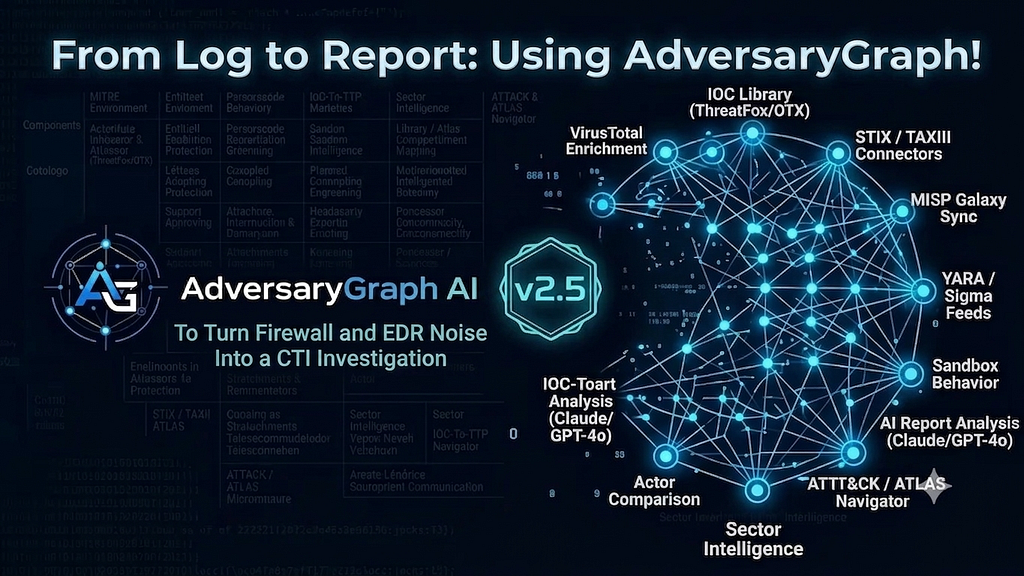
The harder problem is turning scattered technical evidence into a defensible investigation
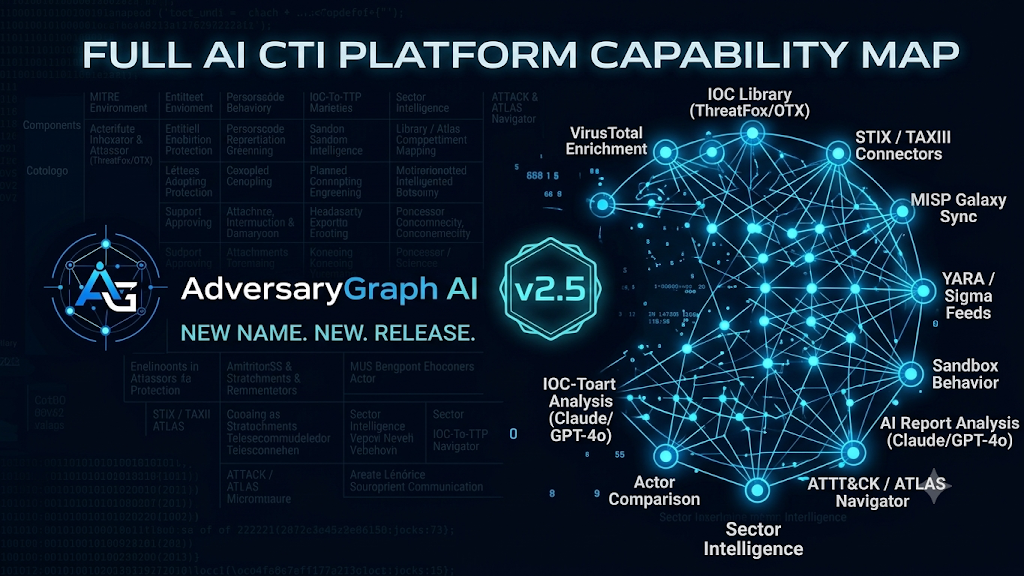
This release marks an important transition for the project: the tool now has a new canonical name
AdversaryGraph v2.5: New Name, New Release, Full AI CTI Platform Capability Map
Showing 24 of 280