


Auditing is the process of recording activity and systematically reviewing and analyzing the activity and system configurations. The primary purpose of auditing is to detect anomalies and identify potential threats or weaknesses in the environment. Proper auditing configurations can also help to meet compliance requirements. The process of auditing encompasses regular analysis of user behaviors and system logs in support of proactive security measures. Auditing is applicable to all systems used within an organization, from the front door of a building to accessing a file on a fileserver. It is considered more critical for regulated industries such as, healthcare, finance and government where compliance requirements demand stringent tracking of user and system activates.This mitigation can be implemented through the following measures: System Audit: - Use Case: Regularly assess system co…
MITRE mitigation sourceAdversaryGraph public intelligence page
This page is part of Threat Matrix, the public browser workspace for the main AdversaryGraph platform. Use it for ATT&CK pivots, actor and technique context, similarity leads, detection coverage review, and analyst-ready investigation paths.
Validation disclaimer: TTP overlap, actor similarity, generated summaries, and coverage findings are investigation leads, not attribution proof or operational validation without analyst review.
Main AdversaryGraph project Documentation Malware Analysis GitHub
Phishing
Adversaries may send phishing messages to gain access to victim systems. All forms of phishing are electronically delivered social engineering. Phishing can be targeted, known as spearphishing. In spearphishing, a specific individual, company, or industry will be targeted by the adversary. More generally, adversaries can conduct non-targeted phishing, such as in mass malware spam campaigns. Adversaries may send victims emails containing malicious attachments or links, typically to execute malicious code on victim systems. Phishing may also be conducted via third-party services (like social media platforms) or delivered via calendar invites. Phishing may also involve social engineering techniques, such as posing as a trusted source, as well as evasive techniques such as removing or manipulating emails or metadata/headers from compromised accounts being abused to send messages (e.g., [Email Hiding Rules](https://attack.mitre.org/techniques/T1564/008)).(Citation: Microsoft OAuth Spam 2022)(Citation: Palo Alto Unit 42 VBA Infostealer 2014) Another way to accomplish this is by [Email Spoofing](https://attack.mitre.org/techniques/T1684/002)(Citation: Proofpoint-spoof) the identity of the sender, which can be used to fool both the human recipient as well as automated security tools,(Citation: cyberproof-double-bounce) or by including the intended target as a party to an existing email thread that includes malicious files or links (i.e., "thread hijacking").(Citation: phishing-krebs) Victims may also receive phishing messages that instruct them to call a phone number where they ar…
Open detection, hunting, mitigation, and evidence workspace
Detection logic
Network intrusion detection systems and email gateways can be used to detect phishing with malicious attachments in transit. Detonation chambers may also be used to identify malicious attachments. Solutions can be signature and behavior based, but adversaries may construct attachments in a way to avoid these systems. Filtering based on DKIM+SPF or header analysis can help detect when the email sender is spoofed. URL inspection within email (including expanding shortened links) can help detect links leading to known malicious sites. Detonation chambers can be used to detect these links and either automatically go to these sites to determine if they're potentially malicious, or wait and capture the content if a user visits the link. Because most common third-party services used for phishing via service leverage TLS encryption, SSL/TLS inspection is generally required to detect the initial communication/delivery. With SSL/TLS inspection intrusion detection signatures or other security gateway appliances may be able to detect malware. Anti-virus can potentially detect malicious documents and files that are downloaded on the user's computer. Many possible detections of follow-on behavior may take place once User Execution occurs.
Observed actors
Correlated CTI and IR reports
Check Point Research · direct source mappingMuddyWater G0069
MITRE ATT&CK · direct source mappingNew Tradecraft of Iranian Cyber Group Aria Sepehr Ayandehsazan aka Emennet Pasargad
FBI / US Treasury / Israel National Cyber Directorate · direct source mappingCTI Research: Handala Hack Group aka Handala Hack Team
Andrey Pautov · direct source mappingAPT39 (Chafer / Remix Kitten)
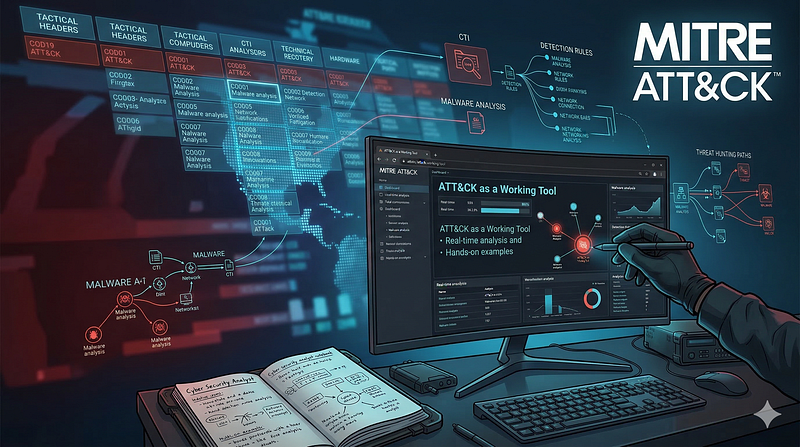
Israel Threat Actors CTI · explicit report mentionATT&CK as a Working Tool: Theory and Hands-On Practical Usage
1200km CTI repository · explicit report mentionCTI Research: Handala Hack Group (aka Handala Hack Team)
1200km CTI repository · explicit report mentionCTI Research: Handala Hack Group (aka Handala Hack Team)
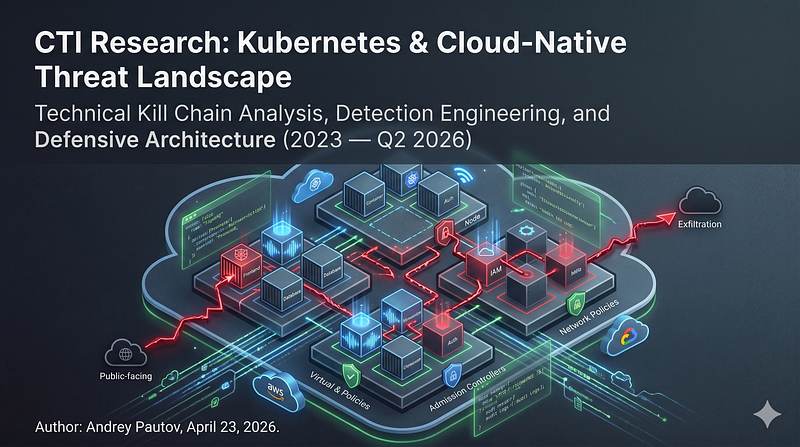
1200km CTI repository · explicit report mentionCTI Research: Kubernetes & Cloud-Native Threat Landscape
1200km CTI repository · explicit report mentionCTI Research: LLM/AI/MCP Usage in the Cyber Kill Chain
1200km CTI repository · explicit report mentionCTI Research: LLM/AI/MCP Usage in the Cyber Kill Chain
1200km CTI repository · explicit report mentionDefensive CTI Research on Threats to Israeli Government and Public-Sector Environments
Israel Threat Actors CTI · explicit report mentionExecutive Summary
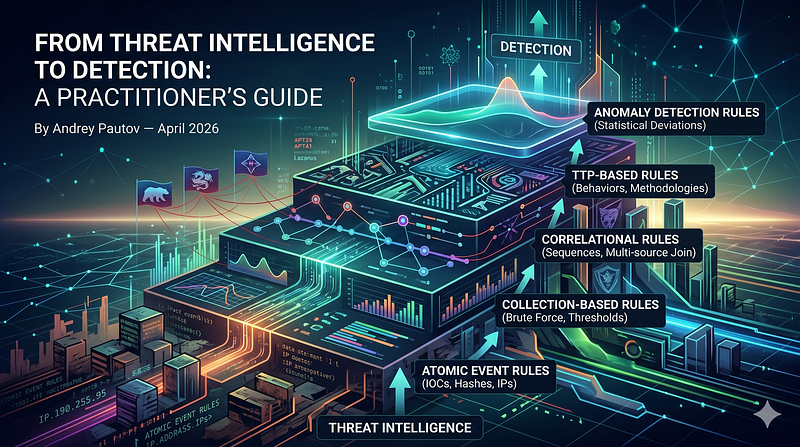
Israel Threat Actors CTI · explicit report mentionFrom Threat Intelligence to Detection: A Practitioner's Guide
1200km CTI repository · explicit report mentionIOC Tables — MuddyWater / Seedworm (Mango Sandstorm)
1200km CTI repository · explicit report mentionOilRig (APT34 / Helix Kitten / Earth Simnavaz etc)
Israel Threat Actors CTI · explicit report mentionWorked Cases
Israel Threat Actors CTI · explicit report mentionATT CK as a Working Tool Theory and Hands On Practical Usage
1200km Medium · authored report mentionCTI Analyst Field Manual Complete Reference
1200km Medium · authored report mentionCTI Led Defensive Strategy for a Cellular Provider Case Study
1200km Medium · authored report mentionCTI Research Handala Hack Group aka Handala Hack Team
1200km Medium · authored report mentionCTI Research Kubernetes Cloud Native Threat Landscape
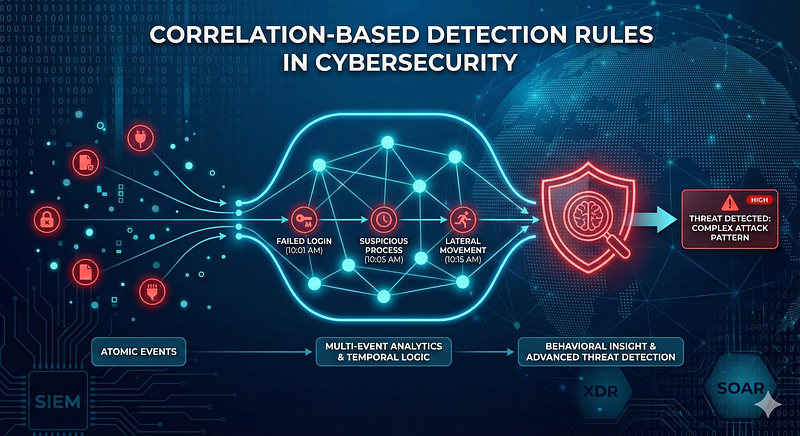
1200km Medium · authored report mentionCorrelation Based Detection Rules in Cybersecurity From Atomic Events to Behavioral Insight
1200km Medium · authored report mentionFrom Threat Intelligence to Detection A Practitioner s Guide
1200km Medium · authored report mention
Cyber Knowledge context
Use these routes to move from the ATT&CK behavior into explanation, implementation, evidence handling, validation, and defensive operations. Relevance is generated from explicit identifiers/names and governed topic mappings; it is not attribution evidence.
Cyber Threat Intelligence (CTI) · Exact technique name · 92/100Module 12 — Human-layer and physical testing
Red Team & Offensive Security · Exact technique name · 92/100Malware, phishing, ransomware, and behavior extraction
Digital Forensics & Incident Response (DFIR) · Exact technique name · 92/100Human, workload, pipeline, and emergency identity
Cloud Security · Exact technique name · 92/100Scenario-based cyber risk assessment and treatment
Governance, Risk & Compliance (GRC) · Exact technique name · 92/100Module 4 — Web applications and APIs
Red Team & Offensive Security · Tactic learning route · 24/100Module 3 — Telemetry and logging architecture
Blue Team & Defensive Security · Tactic learning route · 24/100Threat modeling and secure architecture
Secure Code & Application Security · Tactic learning route · 24/100
MITRE mitigations
Use intrusion detection signatures to block traffic at network boundaries.
MITRE mitigation sourceSoftware configuration refers to making security-focused adjustments to the settings of applications, middleware, databases, or other software to mitigate potential threats. These changes help reduce the attack surface, enforce best practices, and protect sensitive data. This mitigation can be implemented through the following measures: Conduct a Security Review of Application Settings: - Review the software documentation to identify recommended security configurations. - Compare default settings against organizational policies and compliance requirements. Implement Access Controls and Permissions: - Restrict access to sensitive features or data within the software. - Enforce least privilege principles for all roles and accounts interacting with the software. Enable Logging and Monitoring: - Configure detailed logging for key application events such as authentication failures, configura…
MITRE mitigation sourceRestricting web-based content involves enforcing policies and technologies that limit access to potentially malicious websites, unsafe downloads, and unauthorized browser behaviors. This can include URL filtering, download restrictions, script blocking, and extension control to protect against exploitation, phishing, and malware delivery. This mitigation can be implemented through the following measures: Deploy Web Proxy Filtering: - Use solutions to filter web traffic based on categories, reputation, and content types. - Enforce policies that block unsafe websites or file types at the gateway level. Enable DNS-Based Filtering: - Implement tools to restrict access to domains associated with malware or phishing campaigns. - Use public DNS filtering services to enhance protection. Enforce Content Security Policies (CSP): - Configure CSP headers on internal and external web applications to…
MITRE mitigation sourceAntivirus/Antimalware solutions utilize signatures, heuristics, and behavioral analysis to detect, block, and remediate malicious software, including viruses, trojans, ransomware, and spyware. These solutions continuously monitor endpoints and systems for known malicious patterns and suspicious behaviors that indicate compromise. Antivirus/Antimalware software should be deployed across all devices, with automated updates to ensure protection against the latest threats. This mitigation can be implemented through the following measures: Signature-Based Detection: - Implementation: Use predefined signatures to identify known malware based on unique patterns such as file hashes, byte sequences, or command-line arguments. This method is effective against known threats. - Use Case: When malware like "Emotet" is detected, its signature (such as a specific file hash) matches a known database of…
MITRE mitigation sourceUser Training involves educating employees and contractors on recognizing, reporting, and preventing cyber threats that rely on human interaction, such as phishing, social engineering, and other manipulative techniques. Comprehensive training programs create a human firewall by empowering users to be an active component of the organization's cybersecurity defenses. This mitigation can be implemented through the following measures: Create Comprehensive Training Programs: - Design training modules tailored to the organization's risk profile, covering topics such as phishing, password management, and incident reporting. - Provide role-specific training for high-risk employees, such as helpdesk staff or executives. Use Simulated Exercises: - Conduct phishing simulations to measure user susceptibility and provide targeted follow-up training. - Run social engineering drills to evaluate employ…
MITRE mitigation sourceMITRE detection strategies and analytics
- AN0188 · Analytic 0188 — Unusual inbound email activity where attachments or embedded URLs are delivered to users followed by execution of new processes or suspicious document behavior. Detection involves correlating email metadata, file creation, and network activity after a phishing message is received.
- AN0189 · Analytic 0189 — Monitor for malicious payload delivery through phishing where attachments or URLs in email clients (e.g., Thunderbird, mutt) result in unusual file creation or outbound network connections. Focus on correlation between mail logs, file writes, and execution activity.
- AN0190 · Analytic 0190 — Detection of phishing through anomalous Mail app activity, such as attachments saved to disk and immediately executed, or Safari/Preview launching URLs and files linked from email messages. Correlate UnifiedLogs events with subsequent process execution.
- AN0191 · Analytic 0191 — Phishing via Office documents containing embedded macros or links that spawn processes. Detection relies on correlating Office application logs with suspicious child process execution and outbound network connections.
- AN0192 · Analytic 0192 — Phishing attempts targeting IdPs often manifest as anomalous login attempts from suspicious email invitations or fake SSO prompts. Detection correlates login flows, MFA bypass attempts, and anomalous geographic patterns following phishing email delivery.
- AN0193 · Analytic 0193 — Phishing delivered via SaaS services (chat, collaboration platforms) where messages contain malicious URLs or attachments. Detect anomalous link clicks, suspicious file uploads, or token misuse after SaaS-based phishing attempts.
Continue the investigation
Attack tools, simulations and detection rules
Follow explicit source relationships into the reference modules. Linked procedures and detectors are not claims of live validation or actor attribution.
- T1566 Phishing simulation — Exact active technique ID
- T1566 detection rules — Exact active technique ID; not actor-specific detector coverage