Deploy capabilities that detect, block, and mitigate conditions indicative of software exploits. These capabilities aim to prevent exploitation by addressing vulnerabilities, monitoring anomalous behaviors, and applying exploit-mitigation techniques to harden systems and software. Operating System Exploit Protections: - Use Case: Enable built-in exploit protection features provided by modern operating systems, such as Microsoft's Exploit Protection, which includes techniques like Data Execution Prevention (DEP), Address Space Layout Randomization (ASLR), and Control Flow Guard (CFG). - Implementation: Enforce DEP for all programs and enable ASLR to randomize memory addresses used by system and application processes. Windows: Configure Exploit Protection through the Windows Security app or deploy settings via Group Policy. `ExploitProtectionExportSettings.exe -path "exploit_settings.xml"…
MITRE mitigation sourceAdversaryGraph public intelligence page
This page is part of Threat Matrix, the public browser workspace for the main AdversaryGraph platform. Use it for ATT&CK pivots, actor and technique context, similarity leads, detection coverage review, and analyst-ready investigation paths.
Validation disclaimer: TTP overlap, actor similarity, generated summaries, and coverage findings are investigation leads, not attribution proof or operational validation without analyst review.
Main AdversaryGraph project Documentation Malware Analysis GitHub
Drive-by Compromise
Adversaries may gain access to a system through a user visiting a website over the normal course of browsing. Multiple ways of delivering exploit code to a browser exist (i.e., [Drive-by Target](https://attack.mitre.org/techniques/T1608/004)), including: * A legitimate website is compromised, allowing adversaries to inject malicious code * Script files served to a legitimate website from a publicly writeable cloud storage bucket are modified by an adversary * Malicious ads are paid for and served through legitimate ad providers (i.e., [Malvertising](https://attack.mitre.org/techniques/T1583/008)) * Built-in web application interfaces that allow user-controllable content are leveraged for the insertion of malicious scripts or iFrames (e.g., cross-site scripting) Browser push notifications may also be abused by adversaries and leveraged for malicious code injection via [User Execution](https://attack.mitre.org/techniques/T1204). By clicking "allow" on browser push notifications, users may be granting a website permission to run JavaScript code on their browser.(Citation: Push notifications - viruspositive)(Citation: push notification -mcafee)(Citation: push notifications - malwarebytes) Often the website used by an adversary is one visited by a specific community, such as government, a particular industry, or a particular region, where the goal is to compromise a specific user or set of users based on a shared interest. This kind of targeted campaign is often referred to a strategic web compromise or watering hole attack. There are several known examples of this occurring.(C…
Open detection, hunting, mitigation, and evidence workspace
Detection logic
Firewalls and proxies can inspect URLs for potentially known-bad domains or parameters. They can also do reputation-based analytics on websites and their requested resources such as how old a domain is, who it's registered to, if it's on a known bad list, or how many other users have connected to it before. Network intrusion detection systems, sometimes with SSL/TLS inspection, can be used to look for known malicious scripts (recon, heap spray, and browser identification scripts have been frequently reused), common script obfuscation, and exploit code. Detecting compromise based on the drive-by exploit from a legitimate website may be difficult. Also look for behavior on the endpoint system that might indicate successful compromise, such as abnormal behavior of browser processes. This could include suspicious files written to disk, evidence of Process Injection for attempts to hide execution, evidence of Discovery, or other unusual network traffic that may indicate additional tools transferred to the system.
Observed actors
G0001APT28
G0007Turla
G0010Darkhotel
G0012Threat Group-3390
G0027Lazarus Group
G0032Dragonfly
G0035Patchwork
G0040RTM
G0048APT32
G0050PROMETHIUM
G0056Magic Hound
G0059BRONZE BUTLER
G0060Leviathan
G0065Elderwood
G0066APT37
G0067PLATINUM
G0068Dark Caracal
G0070APT19
G0073Leafminer
G0077APT38
G0082Machete
G0095Windshift
G0112Windigo
G0124Transparent Tribe
G0134Andariel
G0138Earth Lusca
G1006CURIUM
G1012Mustard Tempest
G1020Daggerfly
G1034Winter Vivern
G1035
Correlated CTI and IR reports
CrowdStrike · direct source mappingIranian group targeting Israeli shipping and other key sectors
SecurityWeek · direct source mappingCyber Threat Intelligence Dossier: Iranian and Hamas-Aligned Operations Targeting Israeli and Allied Ecosystems (2023-2026)
Israel Threat Actors CTI · explicit report mentionDefensive Cyber Threat Intelligence Report: Israeli Critical Infrastructure and Geopolitical Escalation (2024-2026)
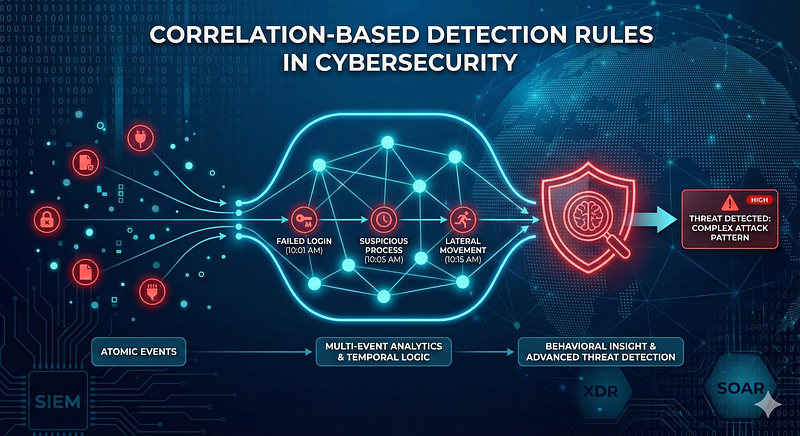
Israel Threat Actors CTI · explicit report mentionCorrelation Based Detection Rules in Cybersecurity From Atomic Events to Behavioral Insight
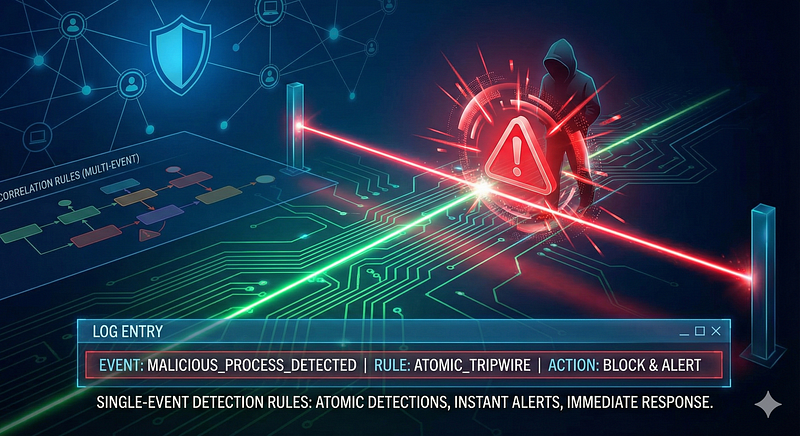
1200km Medium · authored report mentionSingle Event Detection Rules in Cybersecurity
1200km Medium · authored report mention
Cyber Knowledge context
Use these routes to move from the ATT&CK behavior into explanation, implementation, evidence handling, validation, and defensive operations. Relevance is generated from explicit identifiers/names and governed topic mappings; it is not attribution evidence.
Governance, Risk & Compliance (GRC) · Governed topic match · 39/100Operational resilience, continuity, crisis, and incident governance
Governance, Risk & Compliance (GRC) · Governed topic match · 39/100Module 4 — Web applications and APIs
Red Team & Offensive Security · Tactic learning route · 24/100Module 3 — Telemetry and logging architecture
Blue Team & Defensive Security · Tactic learning route · 24/100Threat modeling and secure architecture
Secure Code & Application Security · Tactic learning route · 24/100
MITRE mitigations
Software updates ensure systems are protected against known vulnerabilities by applying patches and upgrades provided by vendors. Regular updates reduce the attack surface and prevent adversaries from exploiting known security gaps. This includes patching operating systems, applications, drivers, and firmware. This mitigation can be implemented through the following measures: Regular Operating System Updates - Implementation: Apply the latest Windows security updates monthly using WSUS (Windows Server Update Services) or a similar patch management solution. Configure systems to check for updates automatically and schedule reboots during maintenance windows. - Use Case: Prevents exploitation of OS vulnerabilities such as privilege escalation or remote code execution. Application Patching - Implementation: Monitor Apache's update release notes for security patches addressing vulnerabiliti…
MITRE mitigation sourceApplication Isolation and Sandboxing refers to the technique of restricting the execution of code to a controlled and isolated environment (e.g., a virtual environment, container, or sandbox). This method prevents potentially malicious code from affecting the rest of the system or network by limiting access to sensitive resources and critical operations. The goal is to contain threats and minimize their impact. This mitigation can be implemented through the following measures: Browser Sandboxing: - Use Case: Implement browser sandboxing to isolate untrusted web content and prevent malicious web pages or scripts from accessing sensitive system resources or initiating unauthorized downloads. - Implementation: Use browsers with built-in sandboxing features (e.g., Google Chrome, Microsoft Edge) or deploy enhanced browser security frameworks that limit the execution scope of active content.…
MITRE mitigation sourceRestricting web-based content involves enforcing policies and technologies that limit access to potentially malicious websites, unsafe downloads, and unauthorized browser behaviors. This can include URL filtering, download restrictions, script blocking, and extension control to protect against exploitation, phishing, and malware delivery. This mitigation can be implemented through the following measures: Deploy Web Proxy Filtering: - Use solutions to filter web traffic based on categories, reputation, and content types. - Enforce policies that block unsafe websites or file types at the gateway level. Enable DNS-Based Filtering: - Implement tools to restrict access to domains associated with malware or phishing campaigns. - Use public DNS filtering services to enhance protection. Enforce Content Security Policies (CSP): - Configure CSP headers on internal and external web applications to…
MITRE mitigation sourceUser Training involves educating employees and contractors on recognizing, reporting, and preventing cyber threats that rely on human interaction, such as phishing, social engineering, and other manipulative techniques. Comprehensive training programs create a human firewall by empowering users to be an active component of the organization's cybersecurity defenses. This mitigation can be implemented through the following measures: Create Comprehensive Training Programs: - Design training modules tailored to the organization's risk profile, covering topics such as phishing, password management, and incident reporting. - Provide role-specific training for high-risk employees, such as helpdesk staff or executives. Use Simulated Exercises: - Conduct phishing simulations to measure user susceptibility and provide targeted follow-up training. - Run social engineering drills to evaluate employ…
MITRE mitigation sourceMITRE detection strategies and analytics
- AN0498 · Analytic 0498 — Correlated evidence of anomalous browser/network behavior (suspicious external resource fetches and script injection patterns) followed by atypical child processes, ephemeral execution contexts, memory modification or process injection, and unexpected file drops. Defender sees network requests to previously unseen/suspicious domains or resources + browser process spawning unusual children or loading unsigned modules + file writes or registry changes shortly after those requests.
- AN0499 · Analytic 0499 — Correlated evidence of browser or webview fetches to uncommon domains or mutated JS resources (proxy/NGFW logs + Zeek/HTTP logs) followed by unexpected interpreters or script engines executing (python, ruby, sh) spawned from browser processes or user sessions, rapid on-disk staging in /tmp, and outbound connections that deviate from baseline. Defender sees: uncommon resource fetch → short-lived child process executions from user browser context → file writes in temp directories → anomalous outbound C2-like connections.
- AN0500 · Analytic 0500 — Correlated evidence where Safari/Chrome/WebKit-based processes issue network requests for uncommon or obfuscated JS resources followed by spawning of script interpreters, launchd or ad-hoc binaries, unusual child processes, or dynamic library loads into browser processes. Defender sees: proxy/HTTP logs with suspicious resource content + unifiedlogs/ASL showing browser/plugin crashes or extension loads + process events indicating child process creation and file writes to /var/folders or /tmp shortly after the fetch.
- AN0501 · Analytic 0501 — Post-compromise identity & session anomalies that follow a drive-by compromise: token reuse from new/unfamiliar IPs, anomalous sign-in patterns for previously inactive users, unexpected consent/grant events, or provisioning changes. Defender sees an endpoint/browser compromise (network + endpoint signals) followed by unusual IdP events: new refresh token issuance, consent/consent-grant events, odd MFA bypass patterns, or unusual OAuth client registrations.
Continue the investigation
Attack tools, simulations and detection rules
Follow explicit source relationships into the reference modules. Linked procedures and detectors are not claims of live validation or actor attribution.
- T1189 Drive-by Compromise simulation — Exact active technique ID
- T1189 detection rules — Exact active technique ID; not actor-specific detector coverage