Domain Groups
Adversaries may attempt to find domain-level groups and permission settings. The knowledge of domain-level permission groups can help adversaries determine which groups exist and which users belong to a particular group. Adversaries may use this information to determine which users have elevated permissions, such as domain administrators. Commands such as net group /domain of the Net utility, dscacheutil -q group on macOS, and ldapsearch on Linux can list domain-level groups.
Open detection, hunting, mitigation, and evidence workspace
Detection logic
System and network discovery techniques normally occur throughout an operation as an adversary learns the environment. Data and events should not be viewed in isolation, but as part of a chain of behavior that could lead to other activities, such as Lateral Movement, based on the information obtained. Monitor processes and command-line arguments for actions that could be taken to gather system and network information. Remote access tools with built-in features may interact directly with the Windows API to gather information. Information may also be acquired through Windows system management tools such as Windows Management Instrumentation and PowerShell.
Observed actors
Correlated CTI and IR reports
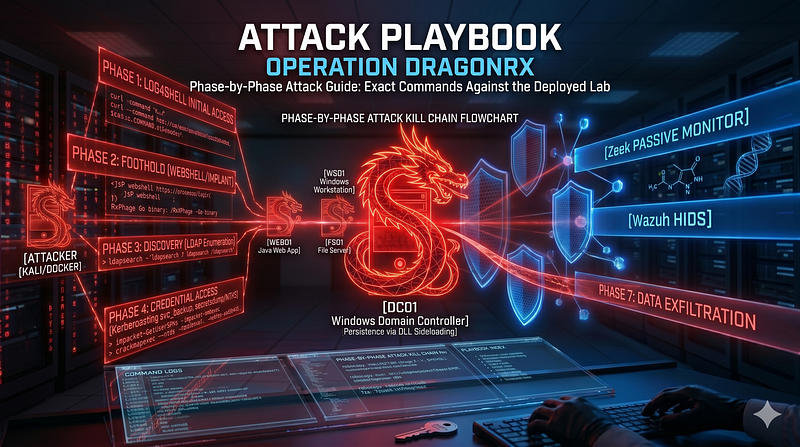
1200km CTI repository · explicit report mentionAttack Playbook — Operation DragonRx
1200km CTI repository · explicit report mentionOperation DragonRx — APT41 Full Attack Simulation
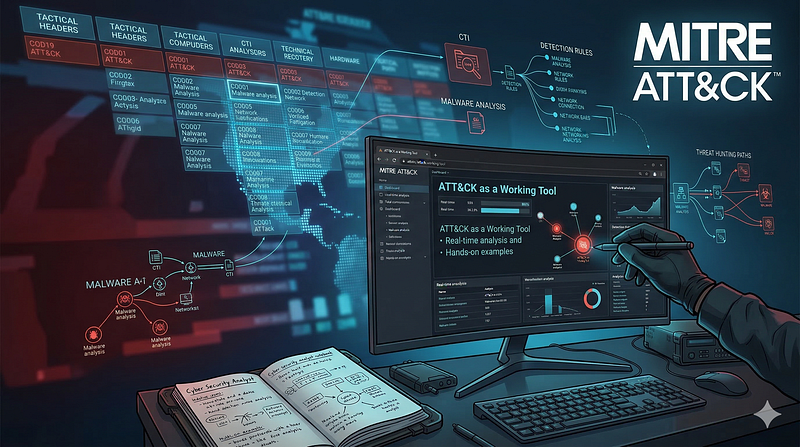
1200km CTI repository · explicit report mentionATT CK as a Working Tool Theory and Hands On Practical Usage
1200km Medium · authored report mentionAttack Playbook Operation DragonRx
1200km Medium · authored report mention