Scan Databases
Adversaries may search within public scan databases for information about victims that can be used during targeting. Various online services continuously publish the results of Internet scans/surveys, often harvesting information such as active IP addresses, hostnames, open ports, certificates, and even server banners. Adversaries may search scan databases to gather actionable information. Threat actors can use online resources and lookup tools to harvest information from these services. Adversaries may seek information about their already identified targets, or use these datasets to discover opportunities for successful breaches. Information from these sources may reveal opportunities for other forms of reconnaissance (ex: Active Scanning or Search Open Websites/Domains), establishing operational resources (ex: Develop Capabilities or Obtain Capabilities), and/or initial access (ex: External Remote Services or Exploit Public-Facing Application).
Open detection, hunting, mitigation, and evidence workspace
Detection logic
Much of this activity may have a very high occurrence and associated false positive rate, as well as potentially taking place outside the visibility of the target organization, making detection difficult for defenders. Detection efforts may be focused on related stages of the adversary lifecycle, such as during Initial Access.
Observed actors
Correlated CTI and IR reports
1200km CTI repository · explicit report mentionAttack Playbook — Operation DragonRx
1200km CTI repository · explicit report mentionAPT41 Targeting Pharmaceutical Sector Log4Shell to Domain Compromise
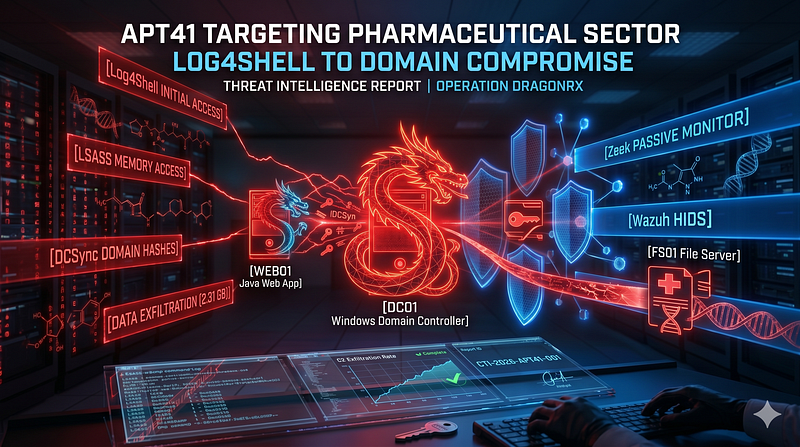
1200km Medium · authored report mentionAttack Playbook Operation DragonRx
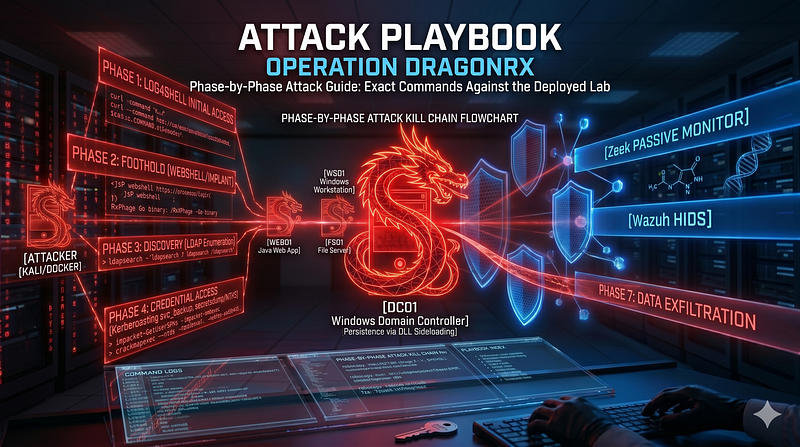
1200km Medium · authored report mention