Cron
Adversaries may abuse the cron utility to perform task scheduling for initial or recurring execution of malicious code. The cron utility is a time-based job scheduler for Unix-like operating systems. The crontab file contains the schedule of cron entries to be run and the specified times for execution. Any crontab files are stored in operating system-specific file paths. An adversary may use cron in Linux or Unix environments to execute programs at system startup or on a scheduled basis for Persistence.
Open detection, hunting, mitigation, and evidence workspace
Detection logic
Monitor scheduled task creation from common utilities using command-line invocation. Legitimate scheduled tasks may be created during installation of new software or through system administration functions. Look for changes to tasks that do not correlate with known software, patch cycles, etc. Suspicious program execution through scheduled tasks may show up as outlier processes that have not been seen before when compared against historical data. Data and events should not be viewed in isolation, but as part of a chain of behavior that could lead to other activities, such as network connections made for Command and Control, learning details about the environment through Discovery, and Lateral Movement.
Observed actors
Correlated CTI and IR reports
1200km CTI repository · explicit report mentionAttack Playbook — Operation DragonRx
1200km CTI repository · explicit report mentionOperation DragonRx — APT41 Full Attack Simulation
1200km CTI repository · explicit report mentionOperation DragonRx: Simulating an APT41 Attack End-to-End — From Log4Shell to DFIR and Malware Analysis
1200km CTI repository · explicit report mentionAPT41 Targeting Pharmaceutical Sector Log4Shell to Domain Compromise
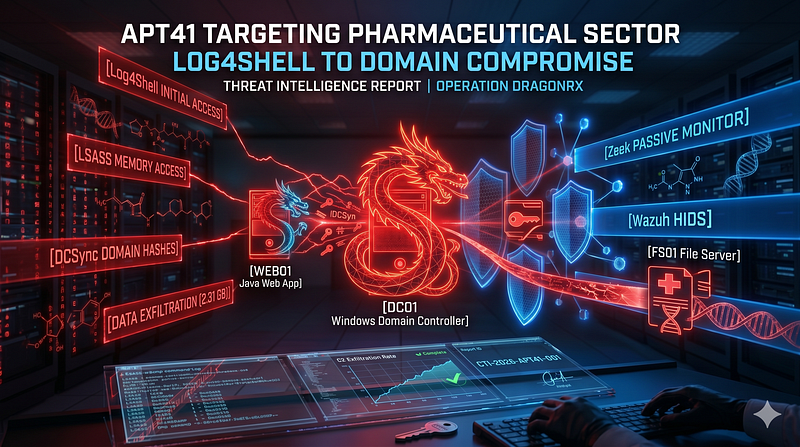
1200km Medium · authored report mentionAttack Playbook Operation DragonRx
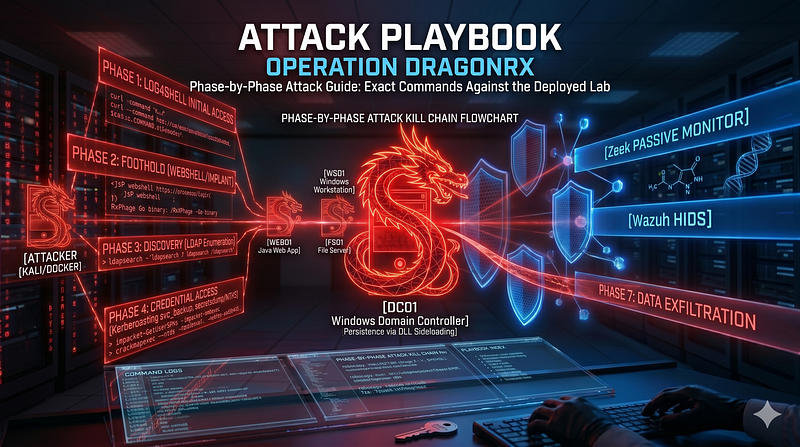
1200km Medium · authored report mentionOperation DragonRx Simulating an APT41 Attack End to End From Log4Shell to DFIR and Malware
1200km Medium · authored report mention